|
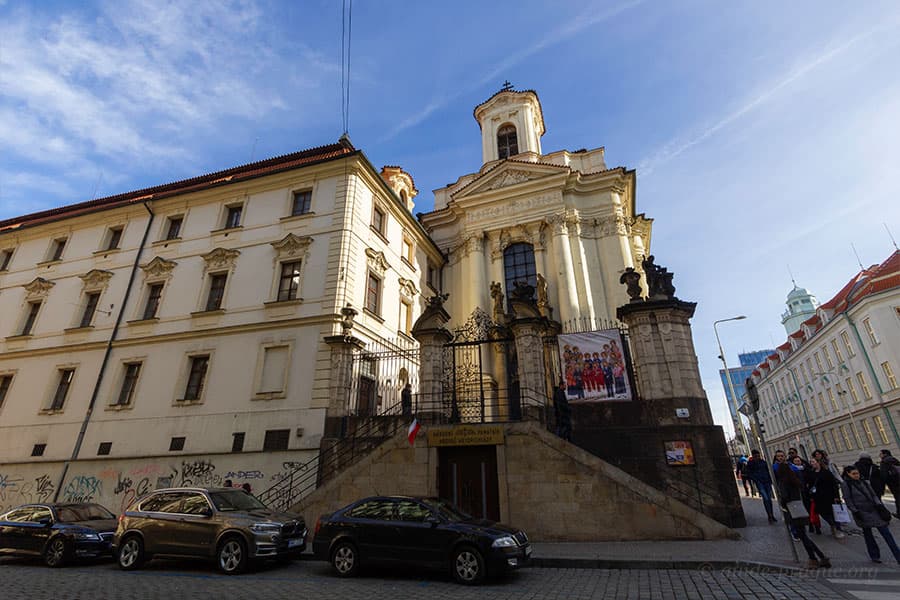
The church on Resslova Street, built in the 18th century, was originally consecrated to St. Charles Borromeo. There are still frescoes inside that depict scenes from this saint's life. However, in 1783, during the reforms of Emperor Joseph II, the church was closed. The army used the building for many years. Only in 1933, after a long reconstruction, was the building transferred to the Czech Orthodox Church. It was re-consecrated and began to be called the Cathedral of Saints Cyril and Methodius. |
|
|
Today this place is known primarily because of the events of the Second World War. In 1942, Czech paratroopers who carried out the assassination of Reinhard Heydrich during Operation Anthropoid hid in the cathedral’s crypt. The SS and Gestapo discovered their hideout, and on June 18 the cathedral was surrounded by SS troops. |
|
|---|---|
|
All the paratroopers were killed after a prolonged battle or took their own lives to avoid capture. The Orthodox Church was banned, and all its property was confiscated. Many of those who provided aid to the paratroopers were shot. Today, the church’s crypt houses a small museum dedicated to these events. |
|
|
If you want to make the most of your visit to Prague, there are plenty of exciting activities and tours to explore the city’s history, architecture, and culture. From guided walking tours through the Old Town to boat trips along the Vltava River, you can discover hidden gems and iconic landmarks. Check out a curated selection of top Prague experiences on the GetYourGuide platform to plan an unforgettable trip. |
|