
Old Town
Everything you need to know about the main sights in the Old Town of Prague: Old Town Square, Astronomical Clock, Charles Bridge, and more.
History of Old Town
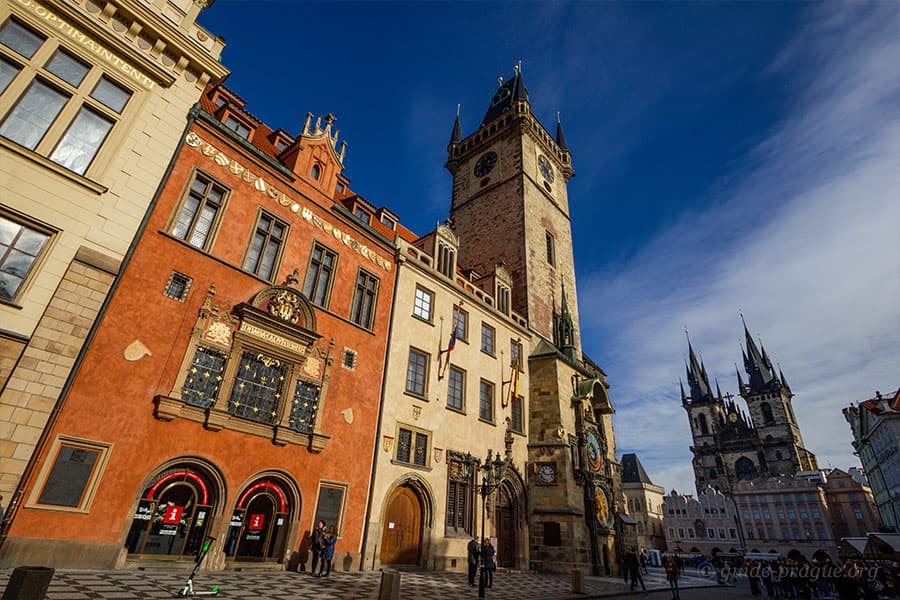
If we had visited Prague a thousand years ago, we would have found a bustling market where Old Town Square stands today. It lay directly along the route between Prague Castle and Vyšehrad, and the first houses were built along the roads connecting these two fortresses. By the 13th century, the settlement had grown into a proper town. The market expanded, and the surrounding streets and buildings developed in a somewhat haphazard way.
House of Black Madonna
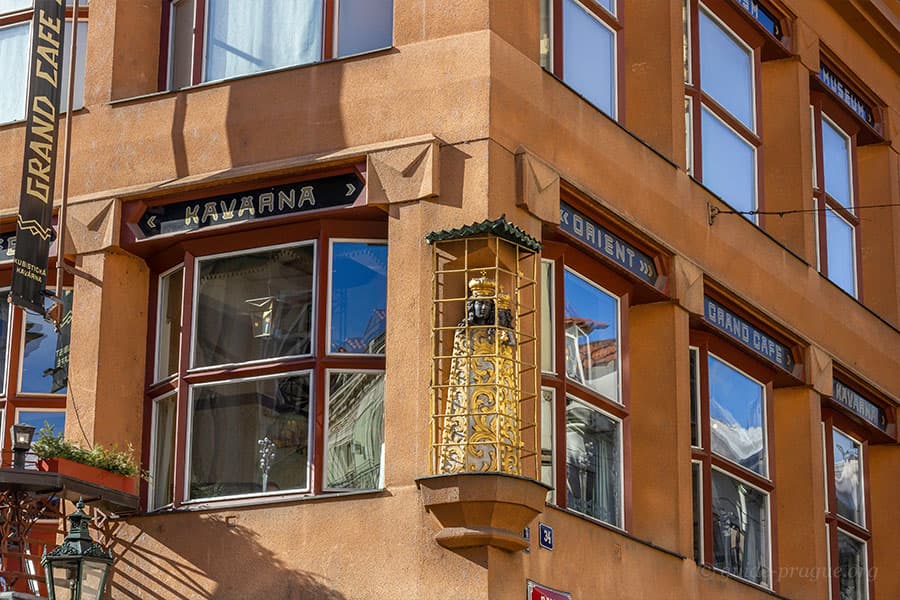
When walking along Celetná Street, notice the building on the corner of Celetná Street and Ovocný Trh. This house is the first Cubist building in Prague.
Church of Our Lady before Tyn
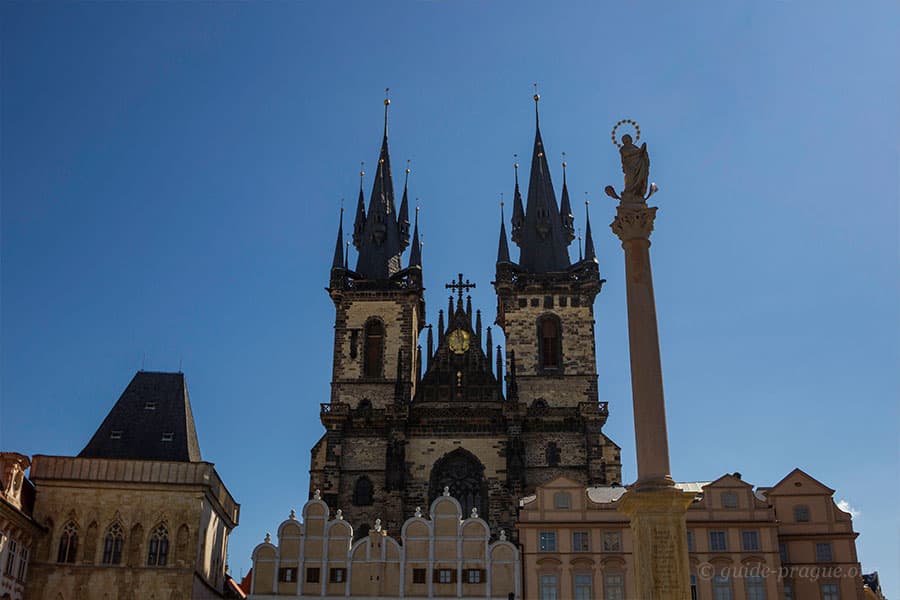
The Church of Our Lady before Tyn is one of the most impressive Gothic buildings in Prague. And many people consider its eighty-meter-high spires to be the most beautiful in the city.
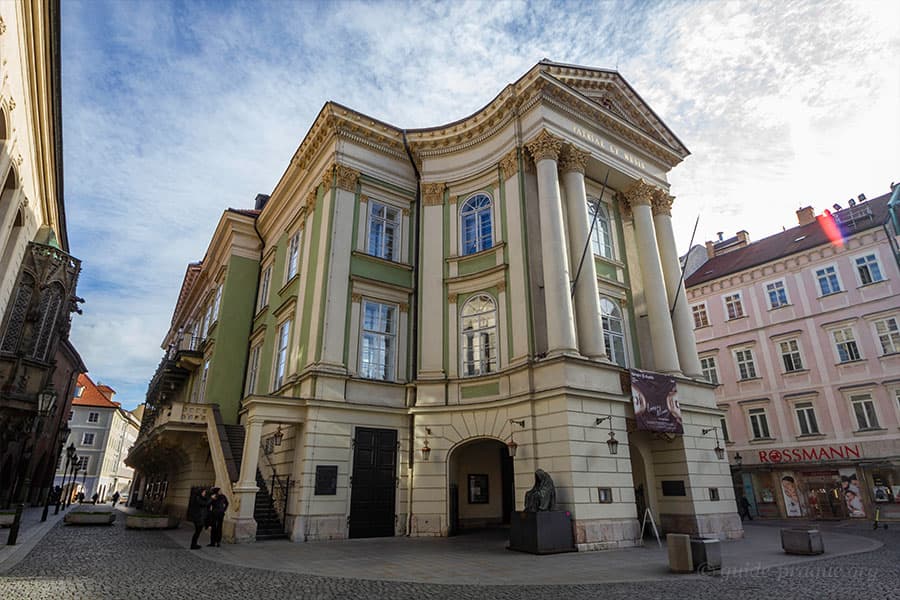
The Estates Theatre
The Estates Theatre on Ovocný Trh Square is one of the first permanent theater stages in Prague. Built in 1781 - 1783 on the land plot of count František Antonin Nostic-Rieneck, it was initially called the Nostic Theatre.
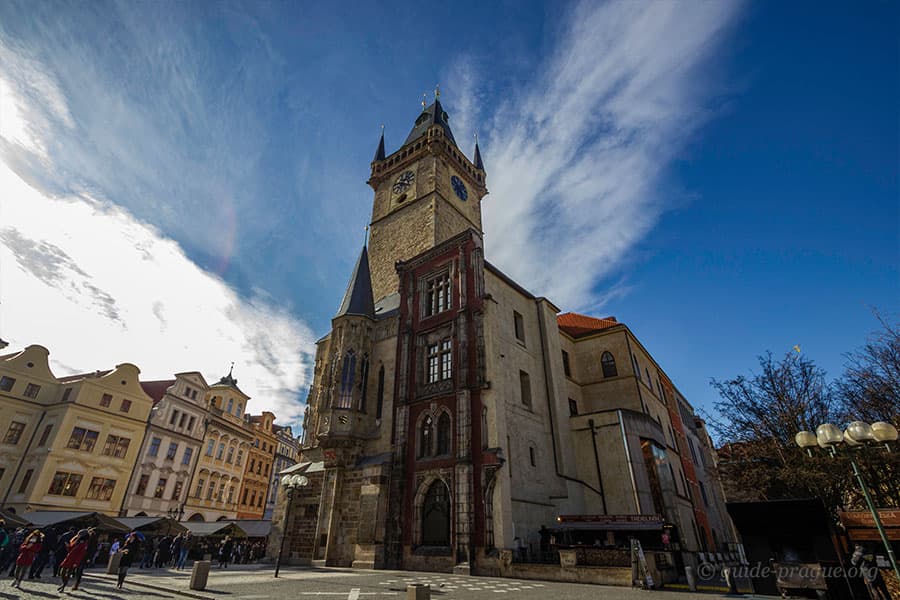
Old Town Square
Originally, a busy market stood on the site of today’s Old Town Square. Over time, a settlement grew around it without any formal plan, eventually developing into the Old Town.
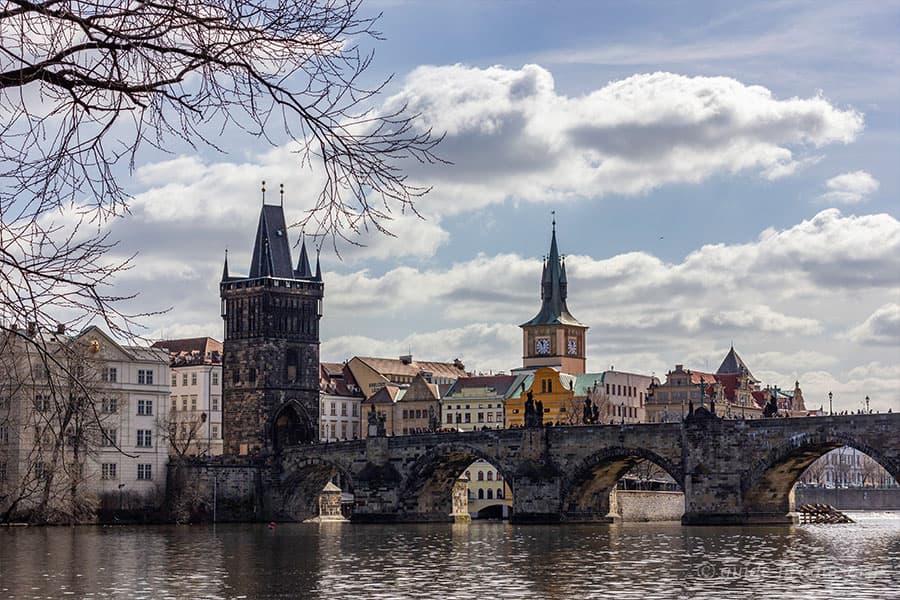
Charles Bridge
The predecessor of Charles Bridge — Judith's Bridge from the 12th century — was destroyed by a flood in 1342. King Charles IV invited Petr Parler — the same architect who built the cathedral at Prague Castle — to manage the construction of a new bridge. He also ordered an astrologer to determine the most favorable moment for construction to begin.
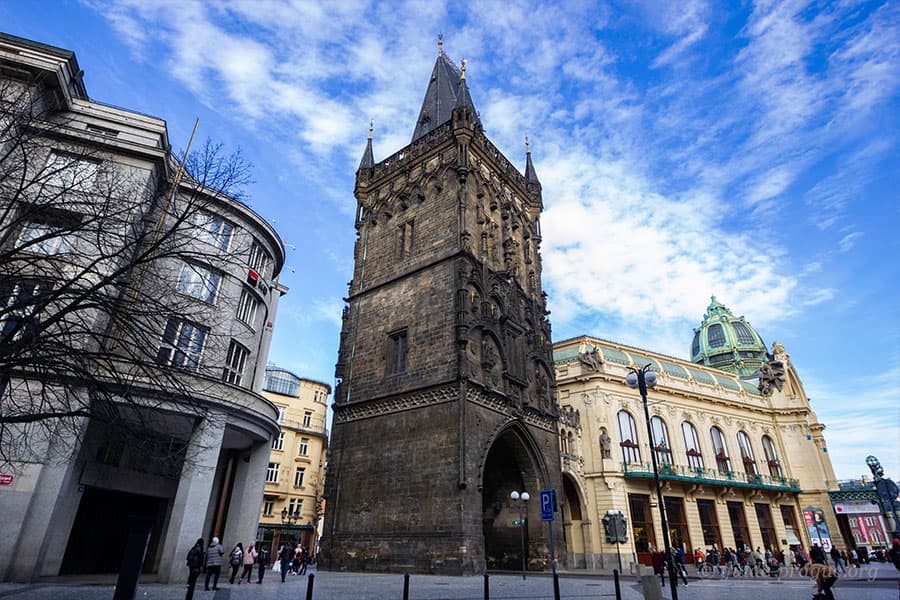
Powder Gate
In the 13th century, Mountain Gate stood on the site of Powder Gate. In 1348, the New Town was built around the Old Town. After that, the Old Town walls and gates were no longer carefully maintained, as any attacking army would have had to pass through the New Town first.
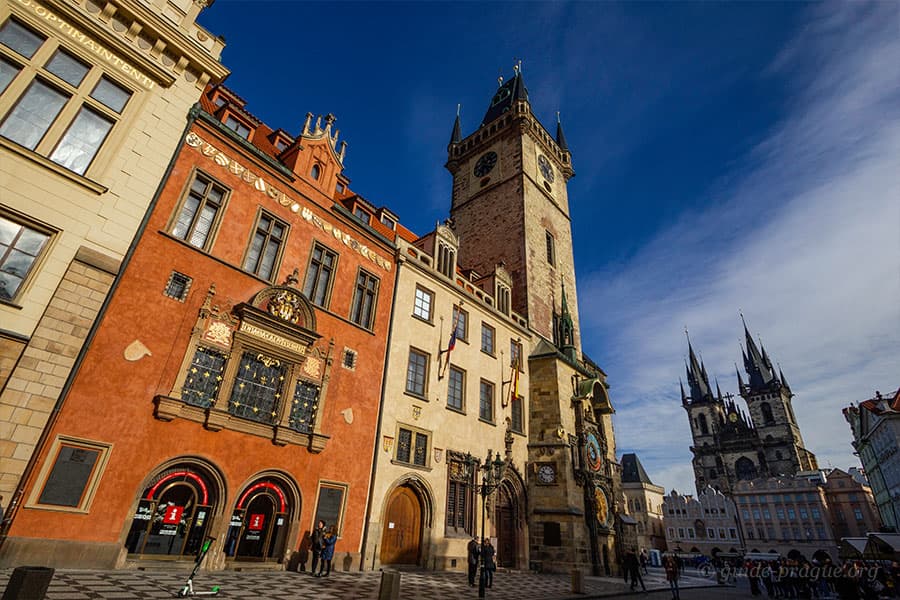
Old Town Hall with Astronomical Clock
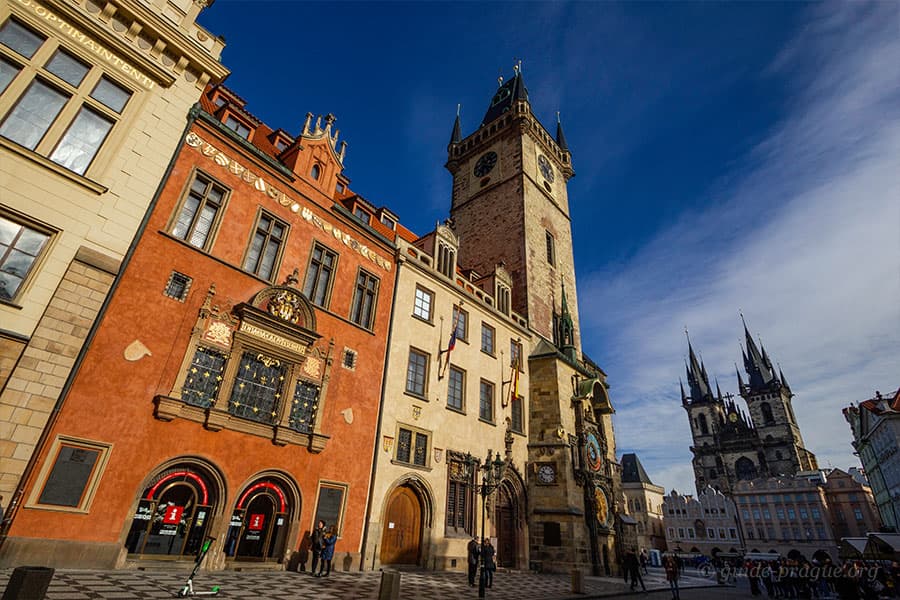
In 1338, King John of Bohemia granted the Old Town permission to build a town hall. The House of Wolflin of Kamen, dating back to the late 13th century, became the core of the new complex. It is the building located closest to the clock tower. Take a moment to admire its beautifully decorated Gothic portal. Soon after, construction of the clock tower began.