|
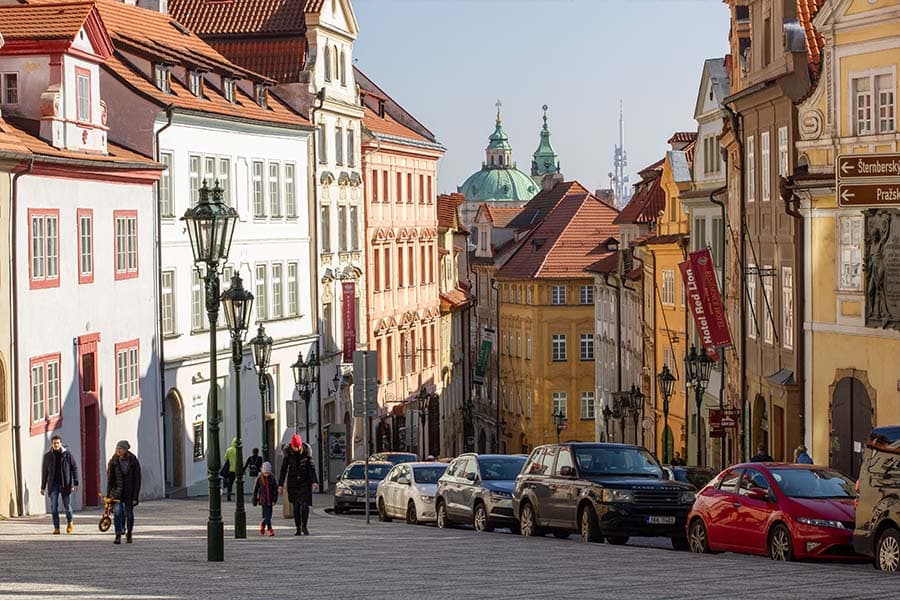
Driving in the Czech Republic is easy compared to many southern European countries. Traffic is orderly, and roads are generally well maintained. That said, city centers often have pedestrian zones and narrow streets, and traffic jams are common in Prague and Brno, so public transport can be faster once you're in the city itself. If you're coming to the Czech Republic by car or planning to rent one, here's what you need to know before you drive. |
|
|
|
What You Need Before You Drive
|
|---|---|
Speed Limits
Speed cameras are common, including in smaller towns. |
|
Highways and VignettesMain Czech cities are connected by a network of highways, and you need an electronic vignette to use them. Unlike paper vignettes in some other countries, the Czech vignette is registered electronically to your license plate; there's no sticker to display. Buy it directly through the official site, edalnice.gov.cz, to avoid unnecessary reseller fees:
Note: hybrid and electric vehicles qualify for reduced rates. |
|
Right of WayA few rules that you must remember:
|
|
|
|
Alcohol: Zero ToleranceThe Czech Republic has a strict 0% alcohol limit for drivers. Random roadside checks do happen, though they're rare. However, if you're involved in any accident — even one you didn't cause — you will be tested. Even a trace amount in your system can lead to significant fines and complications with your insurance claim. |
Child SeatsChildren under 150 cm in height and under 36 kg in weight must travel in an appropriate child seat. Failing to comply can result in a fine of around 2,000 CZK (approx. 80 EUR). Exception: in an official taxi, children may travel in the rear seat using a normal seat belt without a car seat. |
|
Winter TiresWinter tires are mandatory from November 1 to March 31 if roads are covered with snow or ice, or if such conditions can reasonably be expected. In practice: if you're visiting Prague in March and the forecast is sunny and 15°C, you don't need to worry. If you're traveling in winter — especially to mountain areas — have winter tires fitted. Snow chains are required where indicated by road signs. |
|
Mandatory EquipmentEvery car on Czech roads must carry:
Low-beam headlights or daytime running lights must be on at all times. |
|
|
|
Mobile PhonesUsing a handheld mobile phone while driving is strictly forbidden and can result in substantial fines, including from camera enforcement. |
Car Rental RulesIf you are renting a car, check the minimum driver age required by your rental company (often 21, sometimes with a young-driver surcharge), the deposit amount, and whether your contract allows you to cross into neighboring countries like Austria, Germany, Poland, or Slovakia. |
|
In Case of an Accident or Emergency
For minor accidents with no injuries, Czech law generally allows drivers to exchange information and move on if damage is limited. Always check with your rental company for specific instructions, and photograph everything before moving the vehicles. |
|
Useful Navigation AppsGoogle Maps and Waze both work well in the Czech Republic. For rural areas and hiking-adjacent routes, locals often prefer Mapy.com, which tends to have more detailed coverage of smaller roads and trails. |
|
|
|
Frequently Asked QuestionsIs it hard to drive in Prague?Driving itself isn't difficult, but narrow historic streets, tram priority, and limited/restricted parking make central Prague more stressful than it's worth for short visits. Many visitors find it easier to park once and use public transport or walk within the center. |
Do I need to buy a vignette for the whole trip, or just certain roads?A vignette is only required for highways and motorways. Regular roads don't require a vignette. |
|
Planning a Road Trip Beyond Prague?The Czech Republic rewards drivers who venture beyond the capital — fairy-tale towns, spa resorts, and mountain scenery are all within a few hours' drive. See our guide for routes to Český Krumlov, Karlovy Vary, Kutná Hora, Karlštejn Castle, the Giant Mountains, or the Bohemian Paradise region. |
|
|
If you want to make the most of your visit to Czech Republic, there are plenty of exciting activities and tours to explore the history, architecture, and culture. Check out a curated selection of top Prague experiences on the GetYourGuide platform to plan an unforgettable trip. |
|