
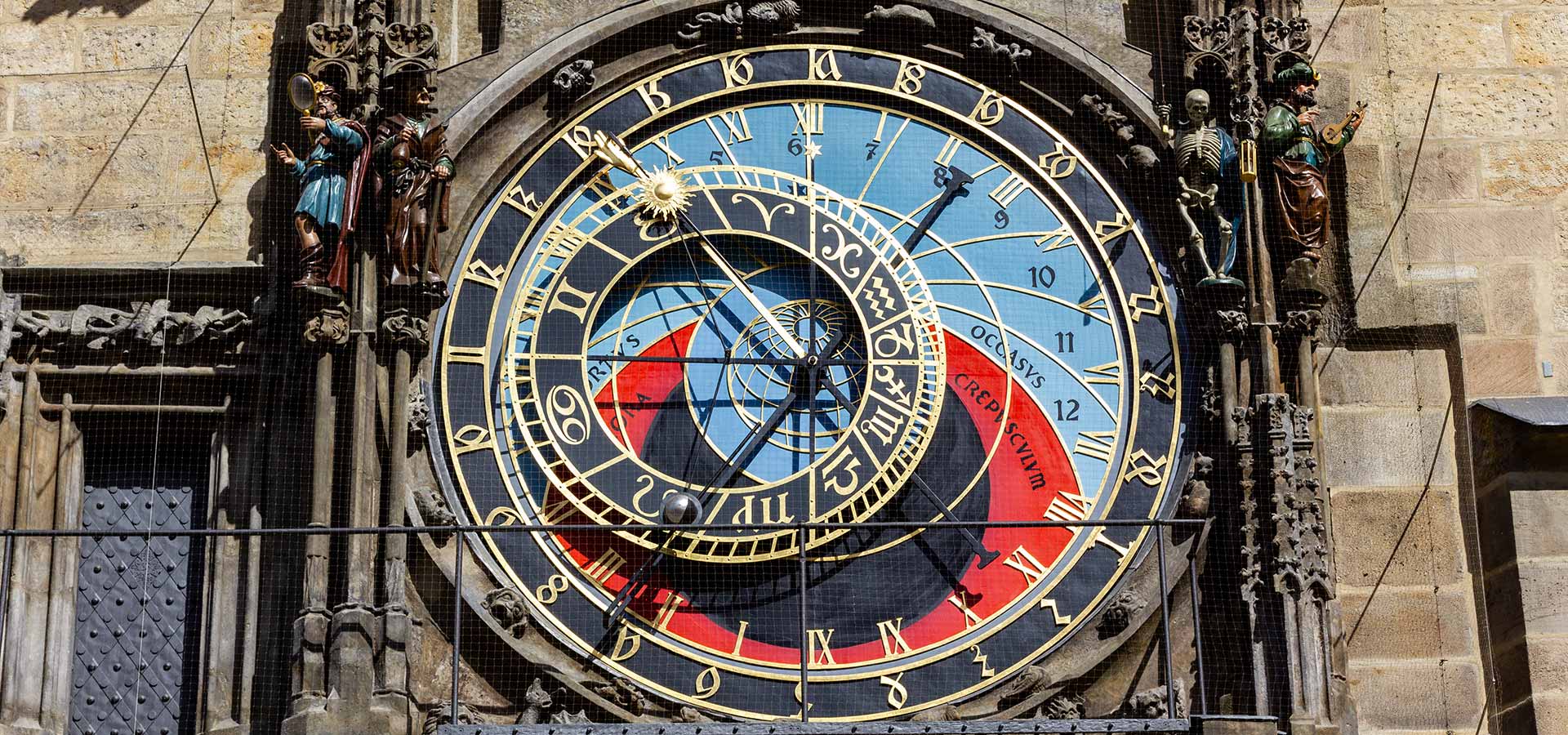
#Legends
Prague's legends and myths: the Golem, Princess Libuše, St. John of Nepomuk, the cursed St. Wenceslas Crown and the stories behind famous landmarks.
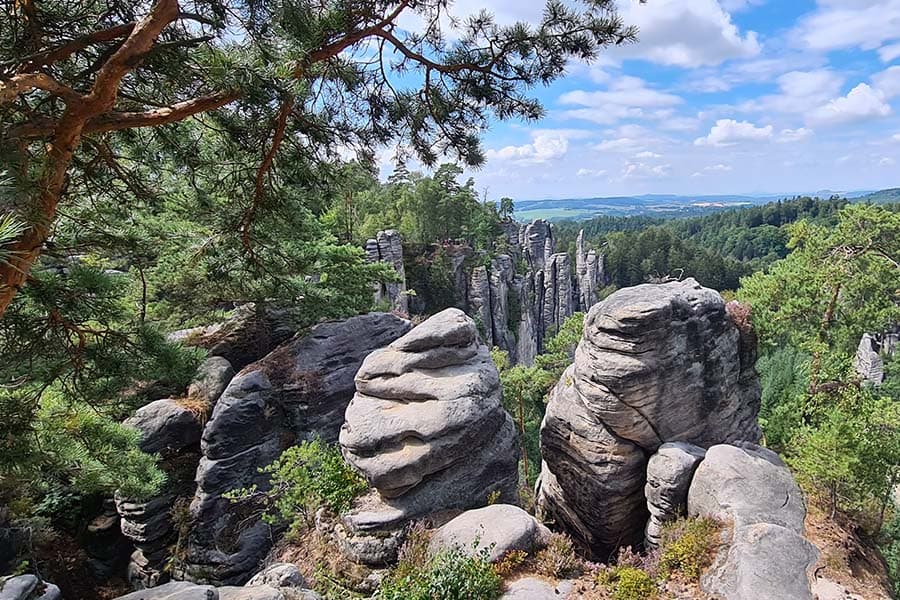
Bohemian Paradise (Český ráj)
Stunning rock formations, medieval castles, breathtaking viewpoints, romantic valleys, and peaceful ponds — you'll find all of this and more in Český ráj, or Bohemian Paradise. This beautiful region in the Czech Republic is a favorite among nature lovers, hikers, history enthusiasts, and photographers alike.
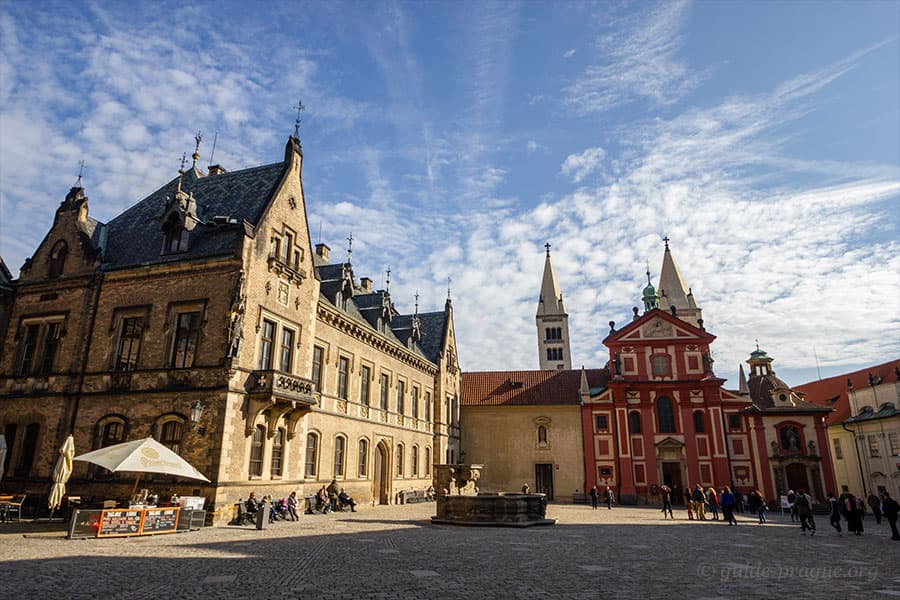
St. George's Basilica
The Church of St. George in Prague, the city's second church, was commissioned by Prince Vratislav I in the early 10th century. A few decades later, Prince Boleslav II sent his 12-year-old sister, Mlada, to Rome to become a nun and to obtain the Pope's approval for establishing a bishopric in Prague. She succeeded, and in 973, she returned with the Pope's permission.
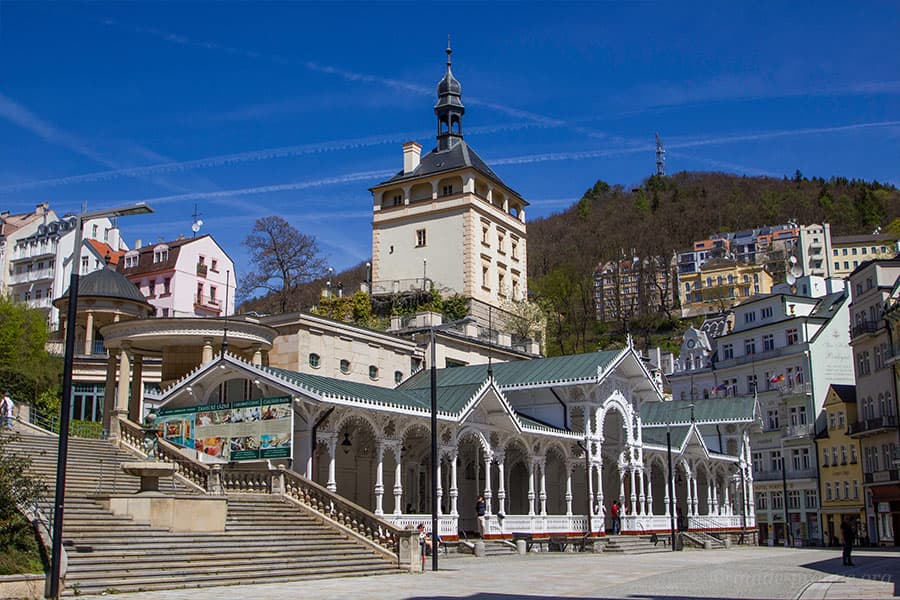
Karlovy Vary (Carlsbad)
"It's a cake convention!" That's how Le Corbusier described Karlovy Vary. Indeed, the colorful houses along the Tepla river's banks and the lace colonnades remind one of whipped cream and figures on a cake. And of all Czech towns, Karlovy Vary is the least "Czech." Here you inevitably recall the era of the Austro-Hungarian Empire.
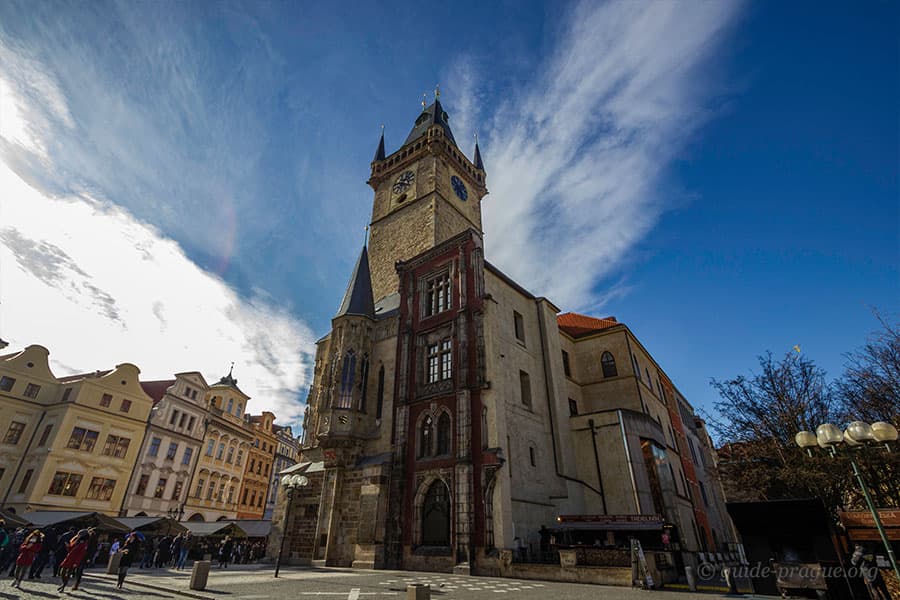
Old Town Square
Originally, a busy market stood on the site of today’s Old Town Square. Over time, a settlement grew around it without any formal plan, eventually developing into the Old Town.
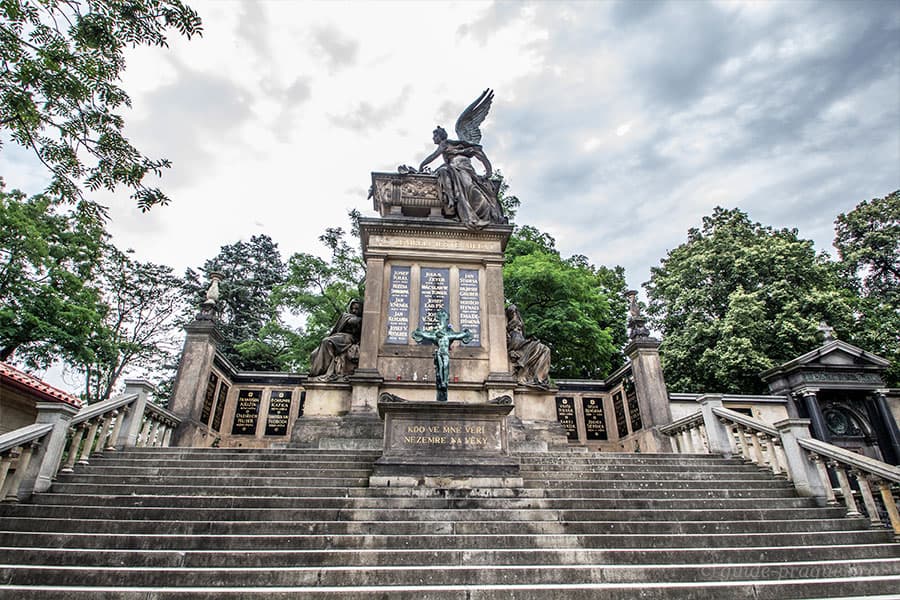
History of Vysehrad
Vysehrad is unique. We can hardly find another place in Prague with so many legends associated with it. According to old chronicles, forefather Czech came to mount Rip with his retinue and rule in the Czech lands for 30 years. After that, Krok became a ruler. And someone predicted to him that misfortune would come to his settlement. To avoid this, Krok moved his throne to a high rock above the Vltava river and named a new settlement Vysehrad.
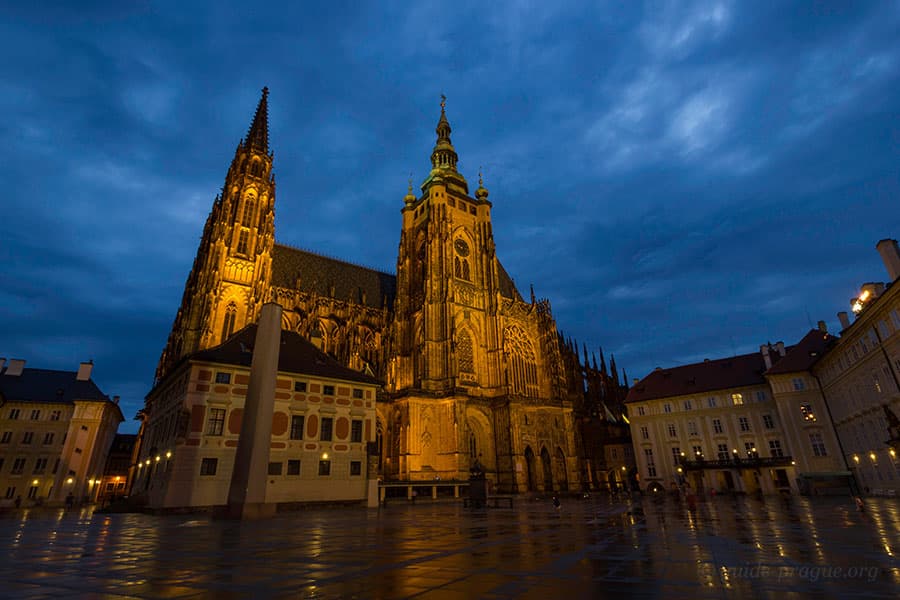
Cathedral of Saint Vitus
Few visitors can remain unmoved when standing before this Gothic cathedral. The full name of the main Czech temple is the Cathedral of St. Vitus, Wenceslas, and Adalbert. The church we see today is the third one standing on this site.
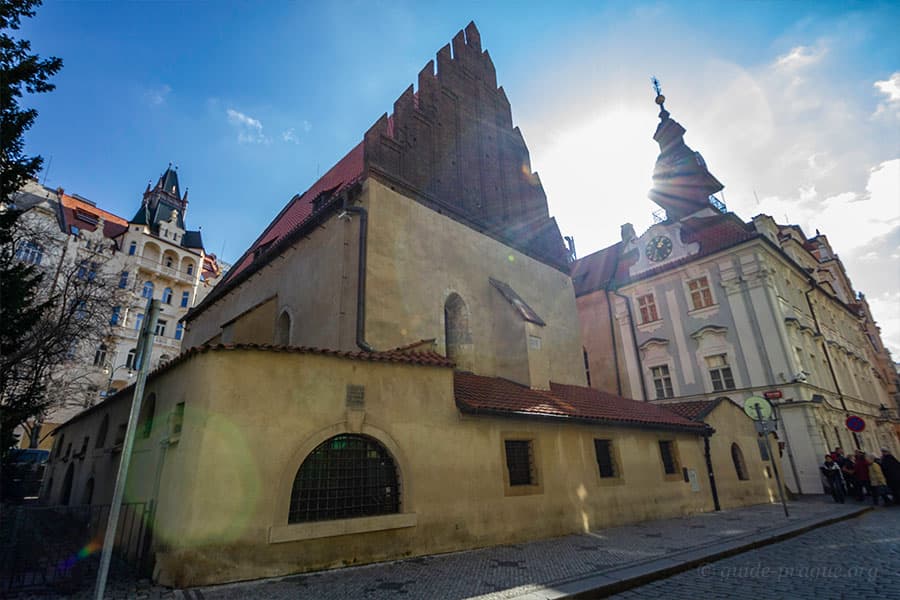
Synagogues in the Jewish Quarter
Six synagogues have been preserved to this day in Prague’s Jewish Quarter. The Old New synagogue and High synagogue are still used for
services. The remaining four house exhibitions of the Jewish Museum. These are the Pinkas, Klausen, Maisel, and Spanish Synagogues.
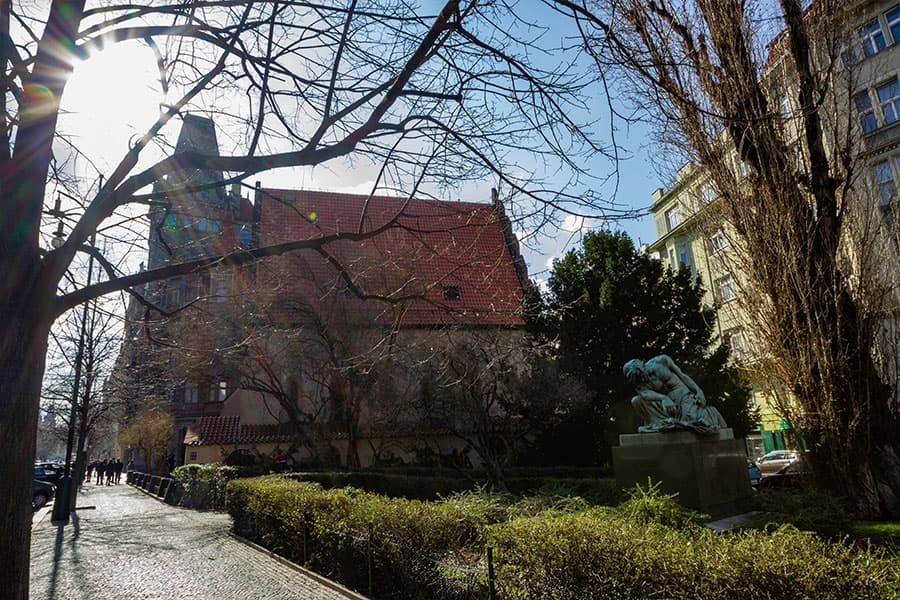
History of the Jewish Quarter
From its earliest history, Prague has been a multicultural city. In 12th-century Czech chronicles, prosperous Jewish settlements are described near Prague Castle and Vysehrad. However, due to frequent attacks, local Jews had to look for refuge near the main Prague ford.
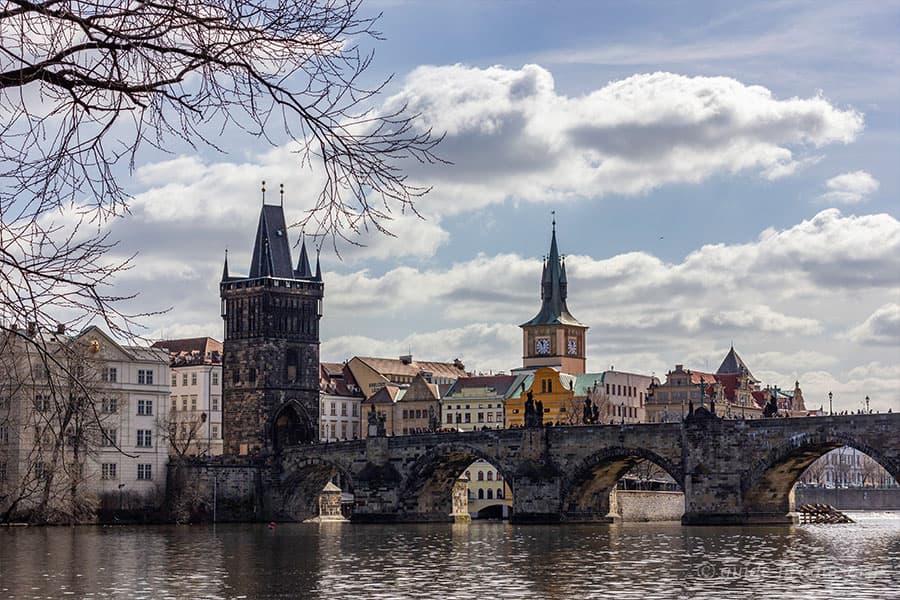
Charles Bridge
The predecessor of Charles Bridge — Judith's Bridge from the 12th century — was destroyed by a flood in 1342. King Charles IV invited Petr Parler — the same architect who built the cathedral at Prague Castle — to manage the construction of a new bridge. He also ordered an astrologer to determine the most favorable moment for construction to begin.
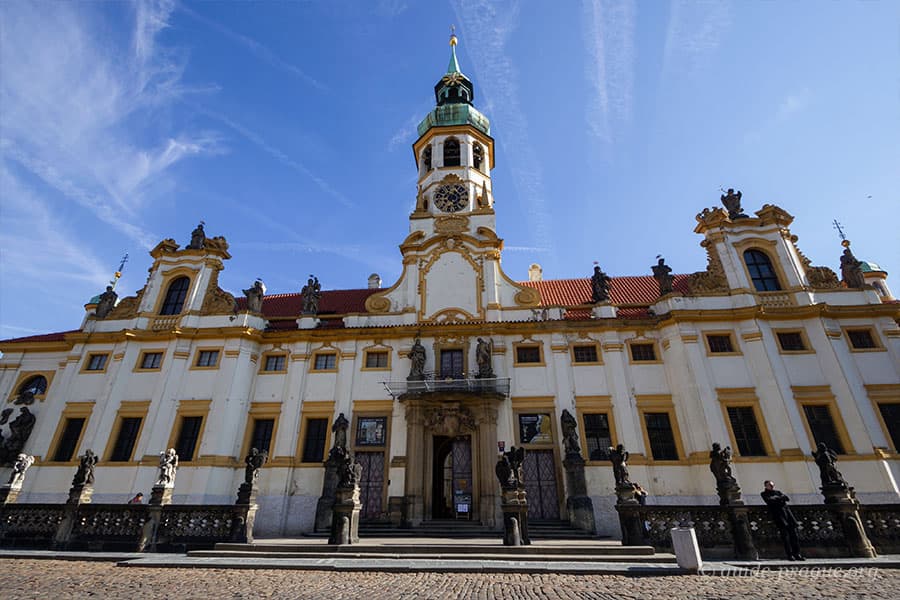
Loreta
Loreta is one of Prague's main pilgrimage sites. The name comes from the Italian town of Loreto. The legend says that after the Saracens' invasion of Palestine, angels first took the Holy House (Santa Casa) to Dalmatia and then to Loreto. It was the very same house where the Virgin Mary lived and where Archangel Gabriel came to her and announced that she would become the Mother of God.