
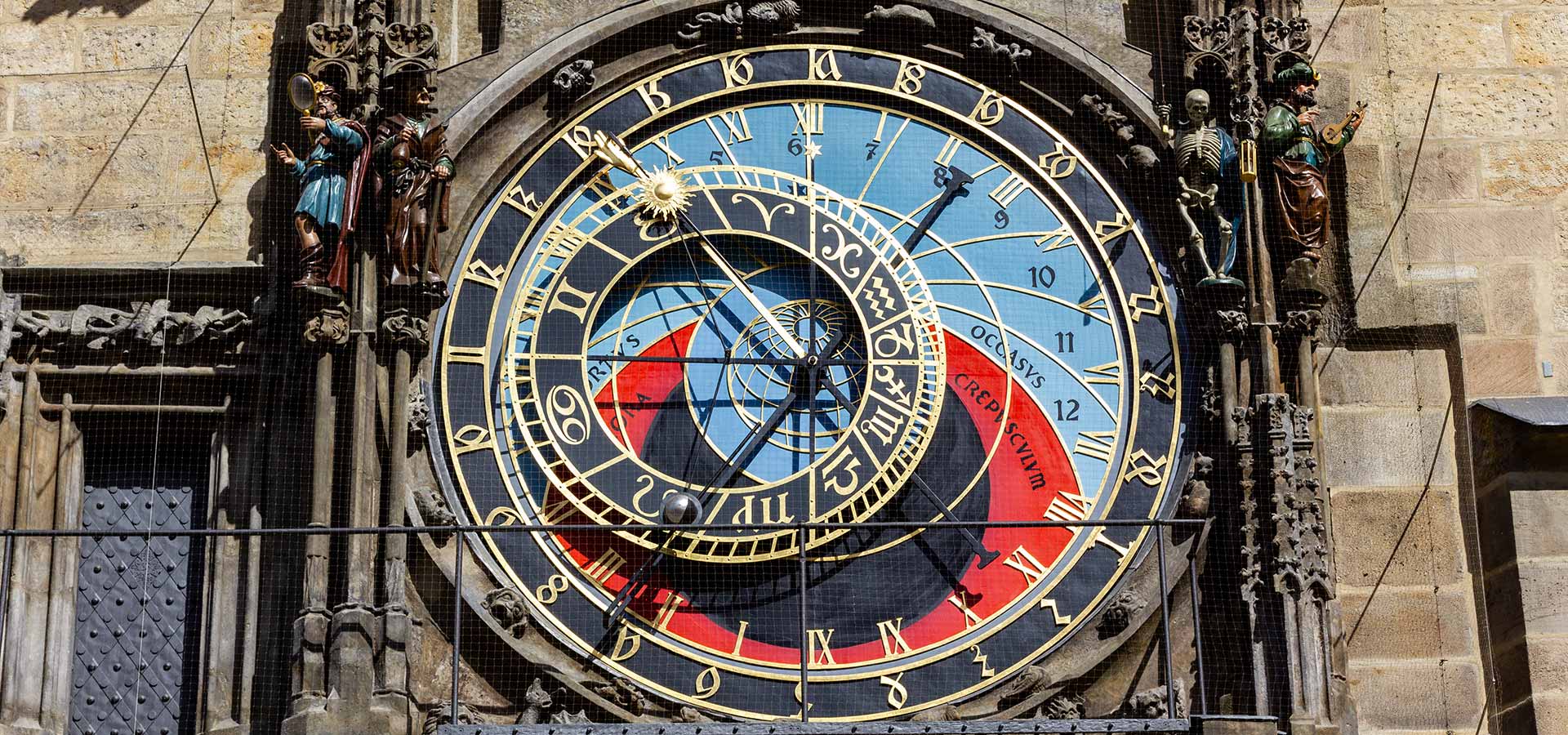
#Charles IV
Places linked to Charles IV, King of Bohemia and Holy Roman Emperor: Charles Bridge, St. Vitus Cathedral, the New Town, Karlštejn and Karlovy Vary.
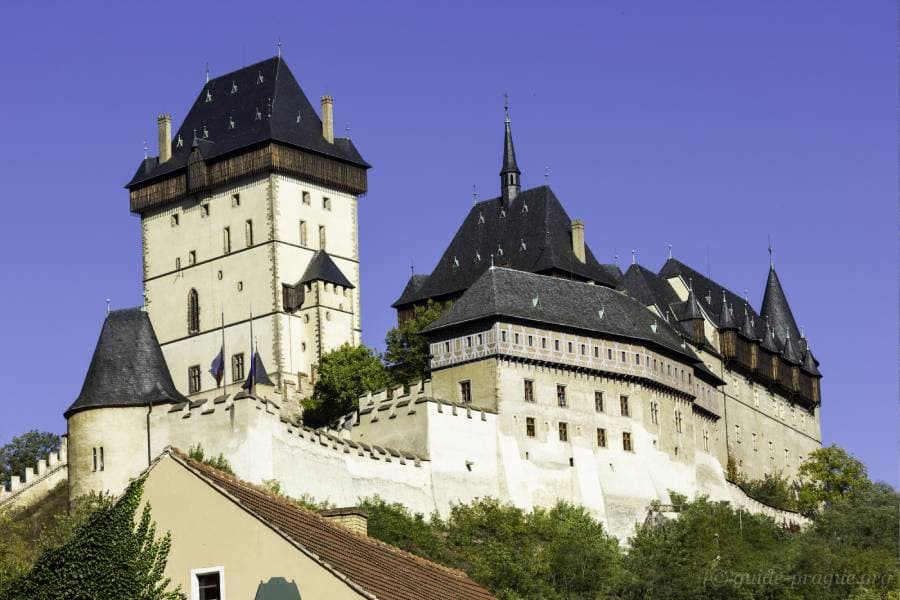
Karlštejn Castle
Karlštejn Castle is a magnificent medieval fortress perched atop a hill in the picturesque village of Karlštejn, about 30 kilometers southwest of Prague. It is one of the country's most famous and historically significant castles. Karlštejn is also easily reachable by public transportation. And that makes it an ideal destination for those who love Gothic architecture.
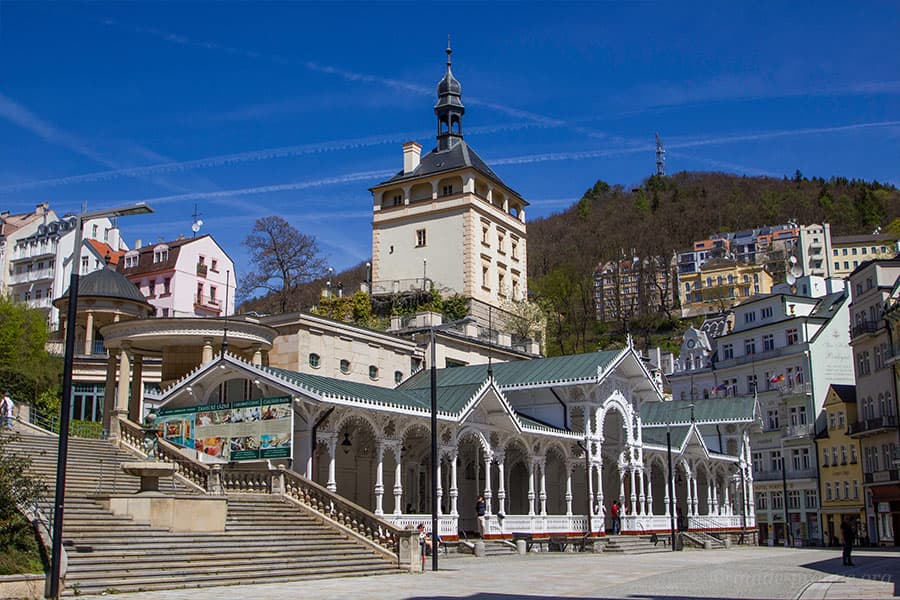
Karlovy Vary (Carlsbad)
"It's a cake convention!" That's how Le Corbusier described Karlovy Vary. Indeed, the colorful houses along the Tepla river's banks and the lace colonnades remind one of whipped cream and figures on a cake. And of all Czech towns, Karlovy Vary is the least "Czech." Here you inevitably recall the era of the Austro-Hungarian Empire.
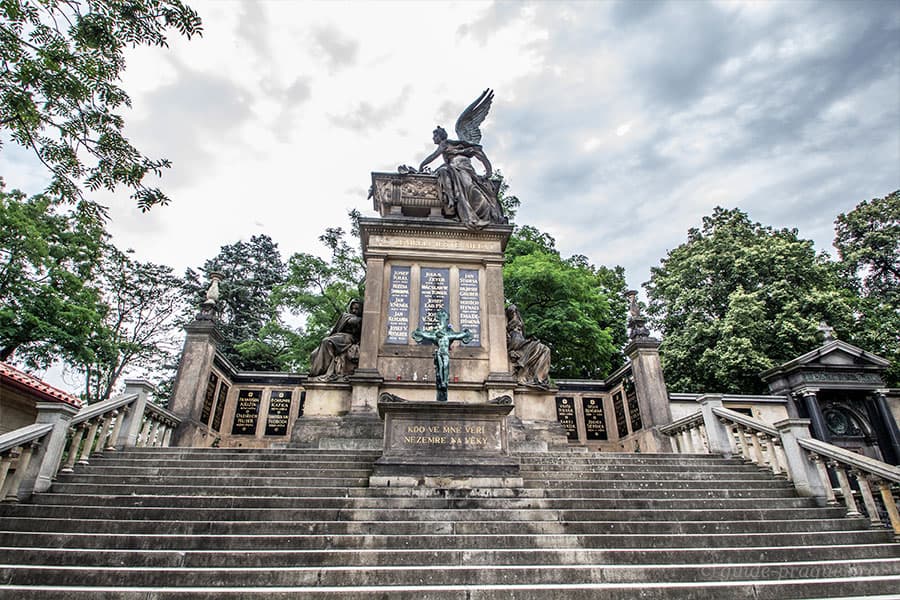
History of Vysehrad
Vysehrad is unique. We can hardly find another place in Prague with so many legends associated with it. According to old chronicles, forefather Czech came to mount Rip with his retinue and rule in the Czech lands for 30 years. After that, Krok became a ruler. And someone predicted to him that misfortune would come to his settlement. To avoid this, Krok moved his throne to a high rock above the Vltava river and named a new settlement Vysehrad.
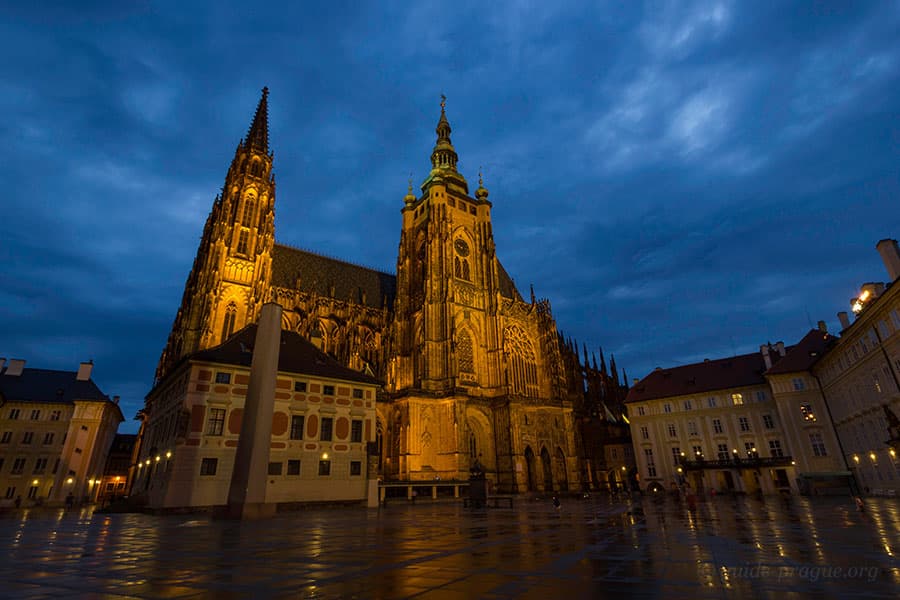
Cathedral of Saint Vitus
Few visitors can remain unmoved when standing before this Gothic cathedral. The full name of the main Czech temple is the Cathedral of St. Vitus, Wenceslas, and Adalbert. The church we see today is the third one standing on this site.
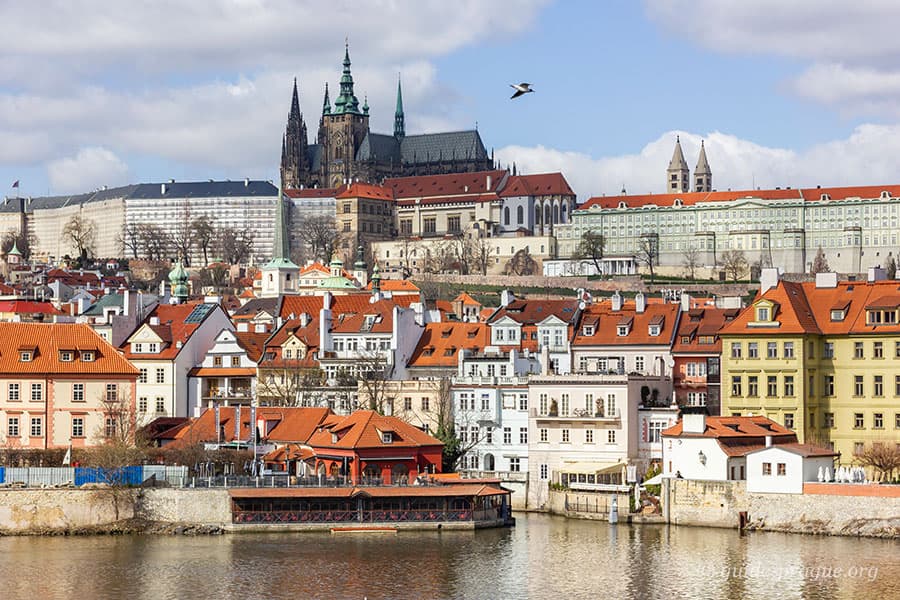
History of Prague Castle
Prague Castle has been dominating the city for more than eleven centuries. Once, it was the residence of the Czech kings. Today, the President of the Czech Republic works here.
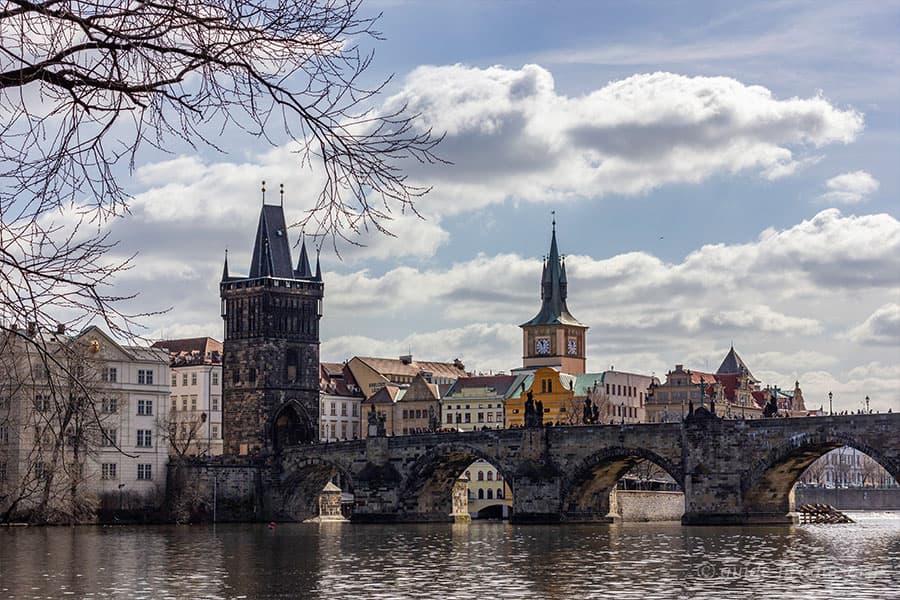
Charles Bridge
The predecessor of Charles Bridge — Judith's Bridge from the 12th century — was destroyed by a flood in 1342. King Charles IV invited Petr Parler — the same architect who built the cathedral at Prague Castle — to manage the construction of a new bridge. He also ordered an astrologer to determine the most favorable moment for construction to begin.
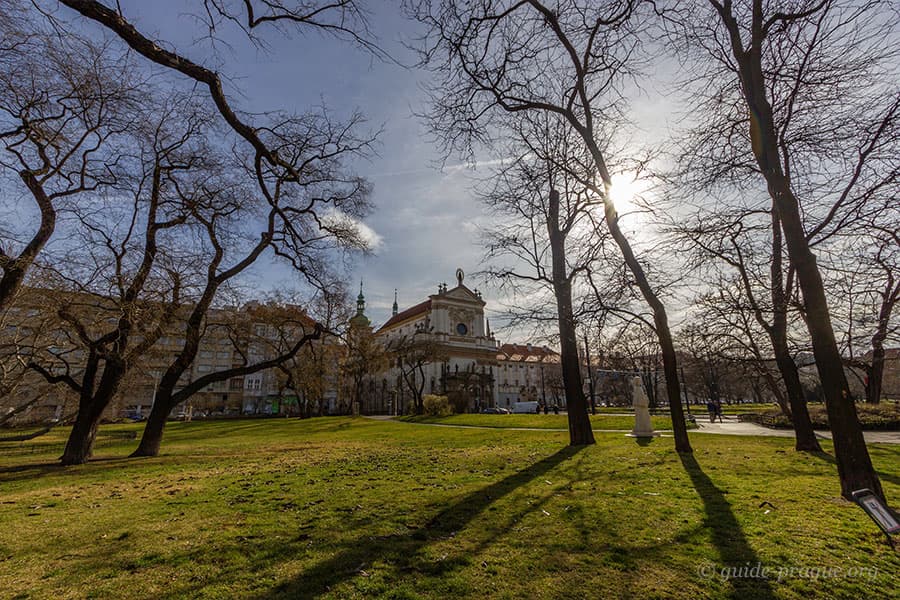
Charles Square
When Charles IV founded the New City of Prague, he intended the square—then known as the Cattle Market—to become the center of the new settlement. Today it is known as Charles Square.
History of Hradcany
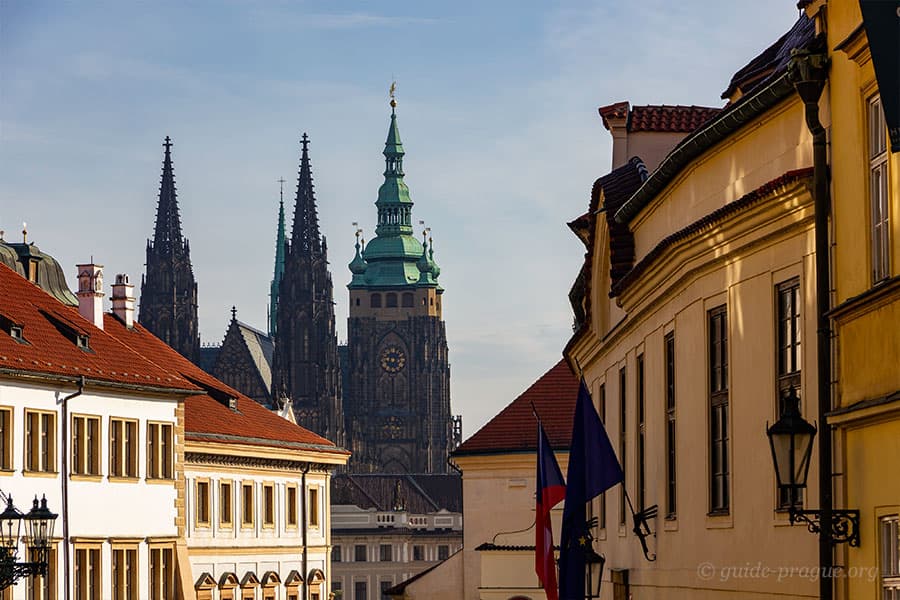
Hradčany is one of the most distinctive quarters of Prague. A network of narrow streets, magnificent palaces beside small fairytale houses, the sound of the Loreta carillon, and peaceful monastery gardens create its unique atmosphere.
History of New Town
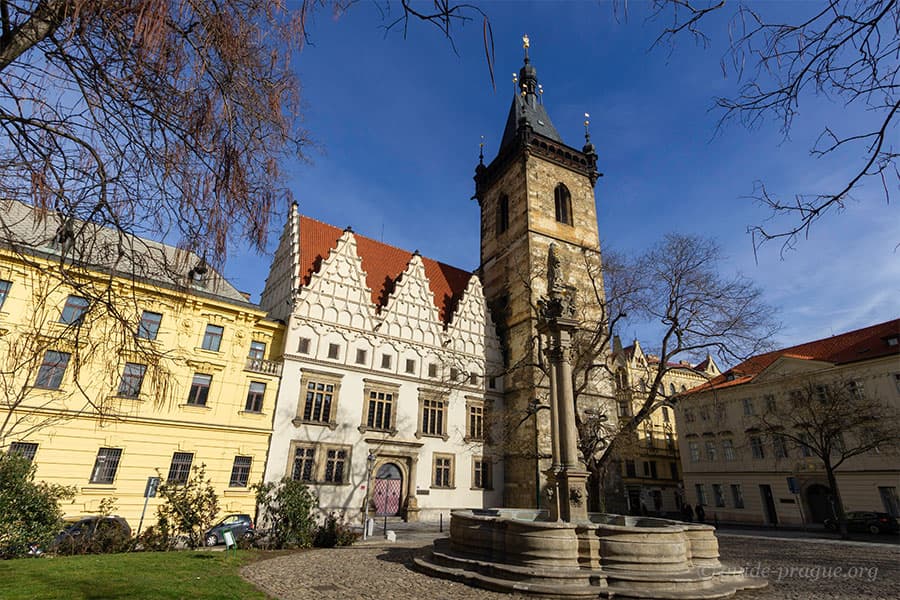
The New Town of Prague was founded in 1348 by King Charles IV. He bought plots of land in advance and resold them under several conditions. Anyone who purchased land was required to begin building a stone house within one month and complete construction within 18 months. These strict conditions were softened by a generous incentive: those who met them were exempt from taxes for 12 years.