
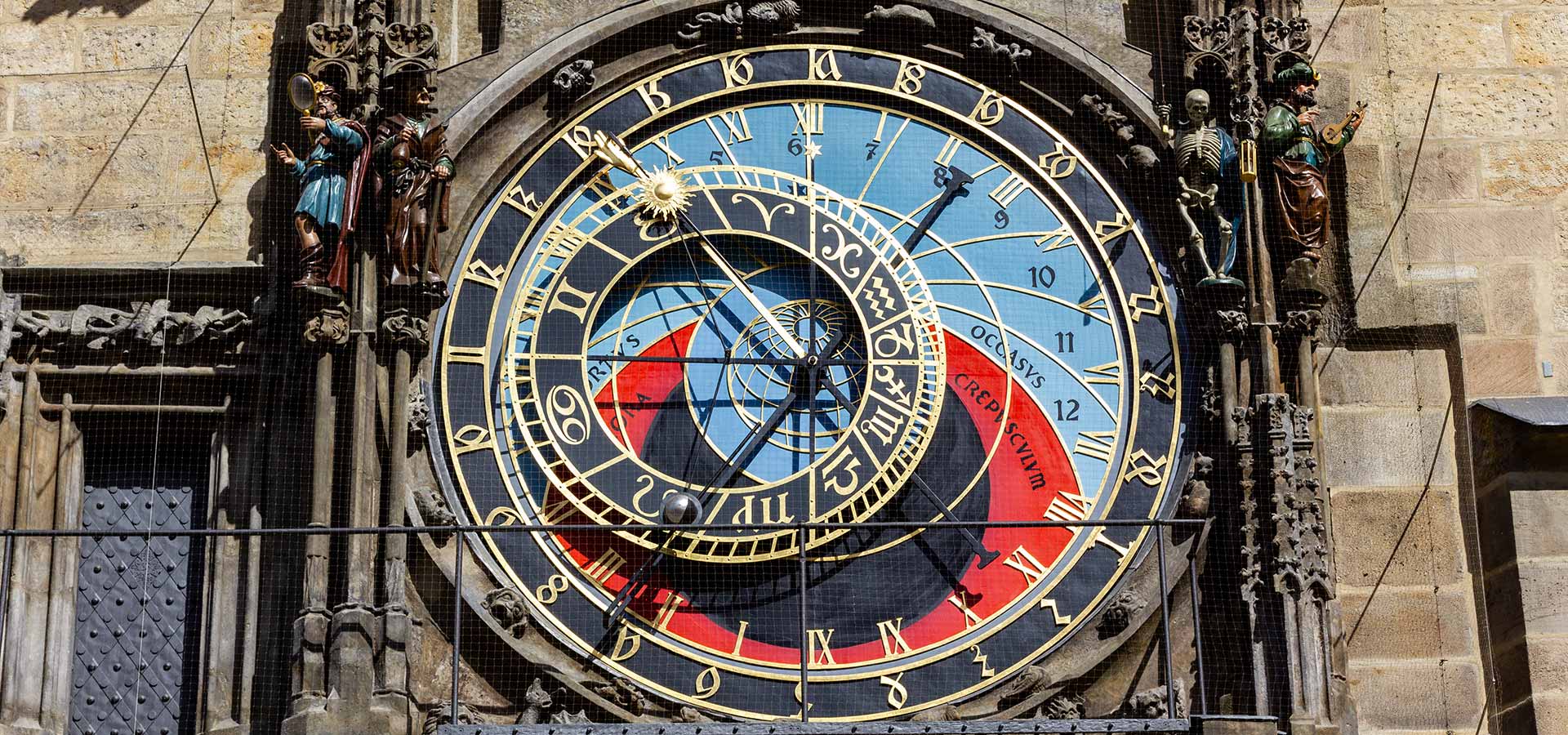
#Top Sights
Prague's must-see landmarks for a first visit: Charles Bridge, Old Town Square, the Astronomical Clock, Prague Castle, St. Vitus Cathedral and more.
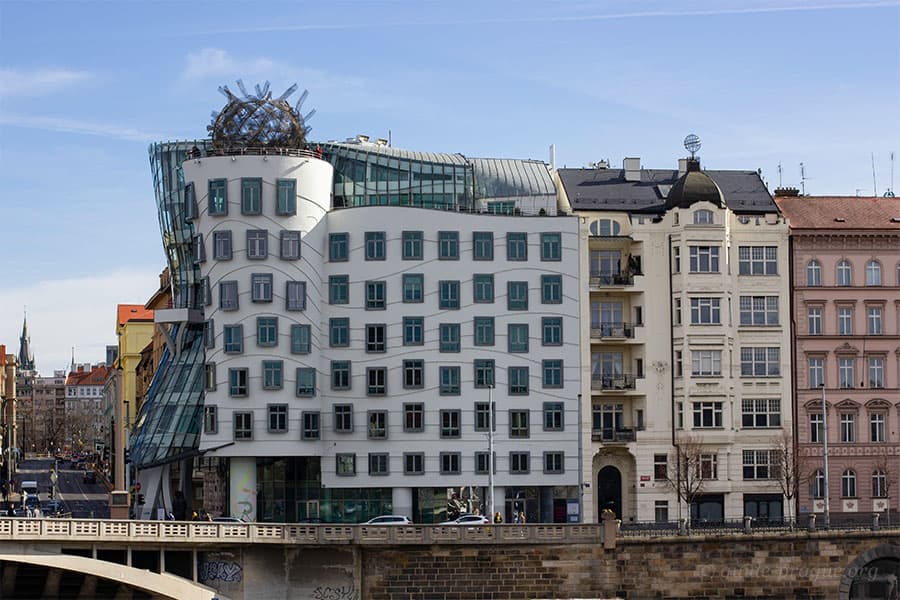
Dancing House
Few buildings in Prague have caused as much controversy as the Dancing House on Rašínovo nábřeží. Some admire its bold design, while others argue that it does not fit the surrounding architecture. Either way, no other modern building in Prague attracts as much attention.
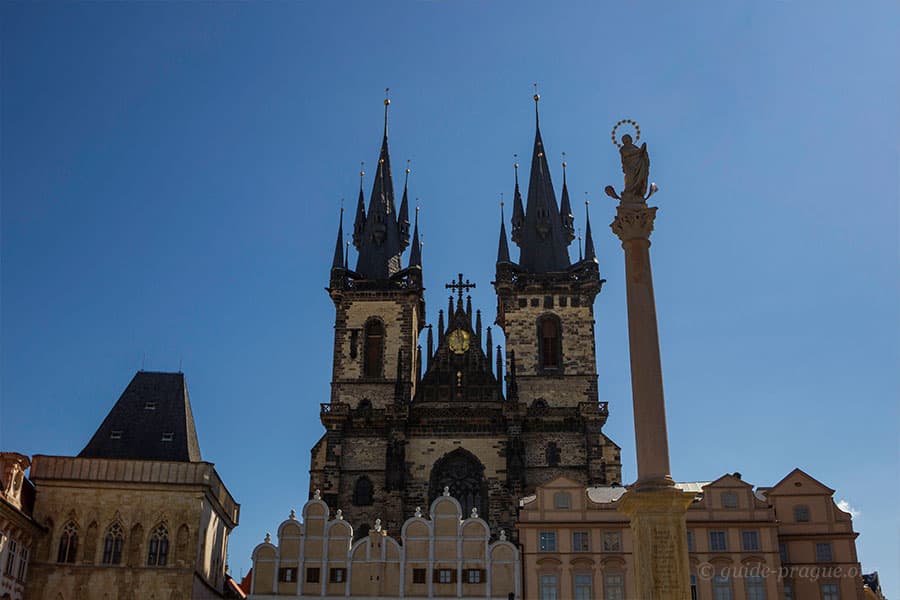
Church of Our Lady before Tyn
The Church of Our Lady before Tyn is one of the most impressive Gothic buildings in Prague. And many people consider its eighty-meter-high spires to be the most beautiful in the city.
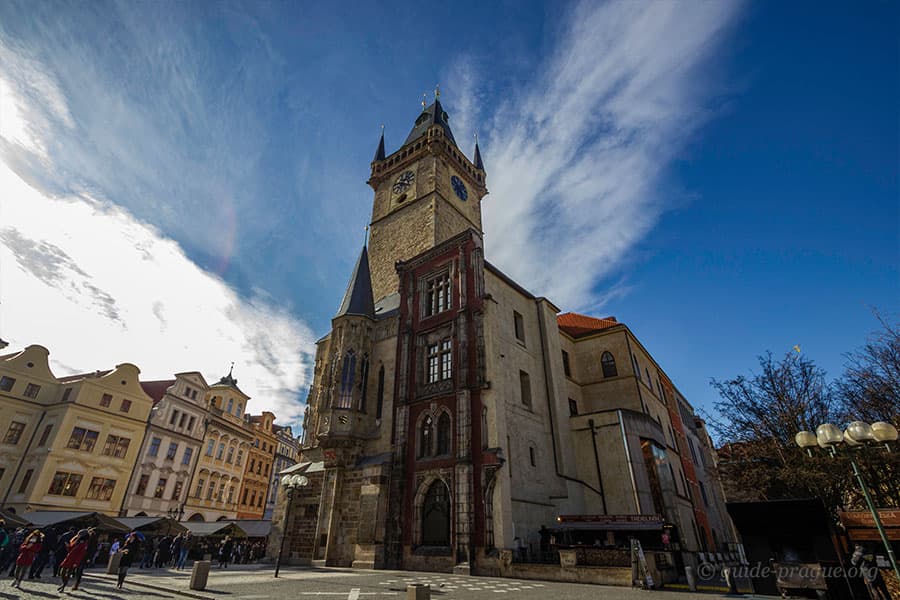
Old Town Square
Originally, a busy market stood on the site of today’s Old Town Square. Over time, a settlement grew around it without any formal plan, eventually developing into the Old Town.
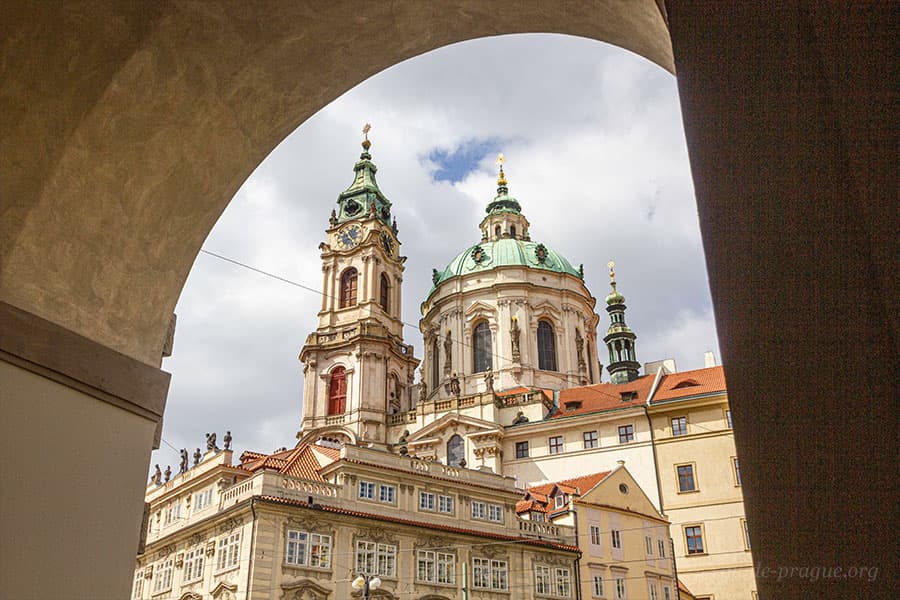
St. Nicholas Church at the Lesser Town
The Church of St. Nicholas on Malostranská Square is one of the most beautiful Baroque churches not only in Prague but in the entire Czech Republic. The mighty dome with its slender bell tower is an integral part of the city skyline.
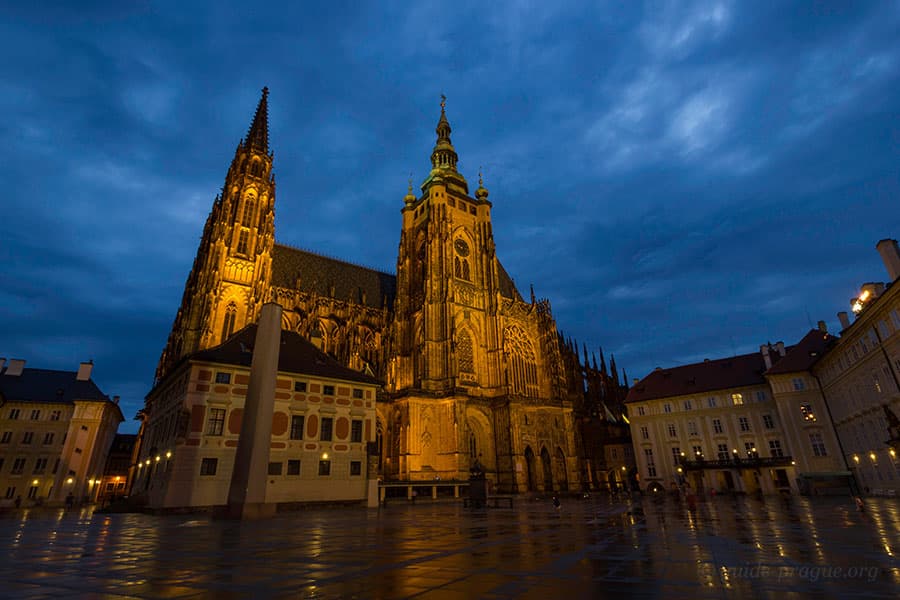
Cathedral of Saint Vitus
Few visitors can remain unmoved when standing before this Gothic cathedral. The full name of the main Czech temple is the Cathedral of St. Vitus, Wenceslas, and Adalbert. The church we see today is the third one standing on this site.
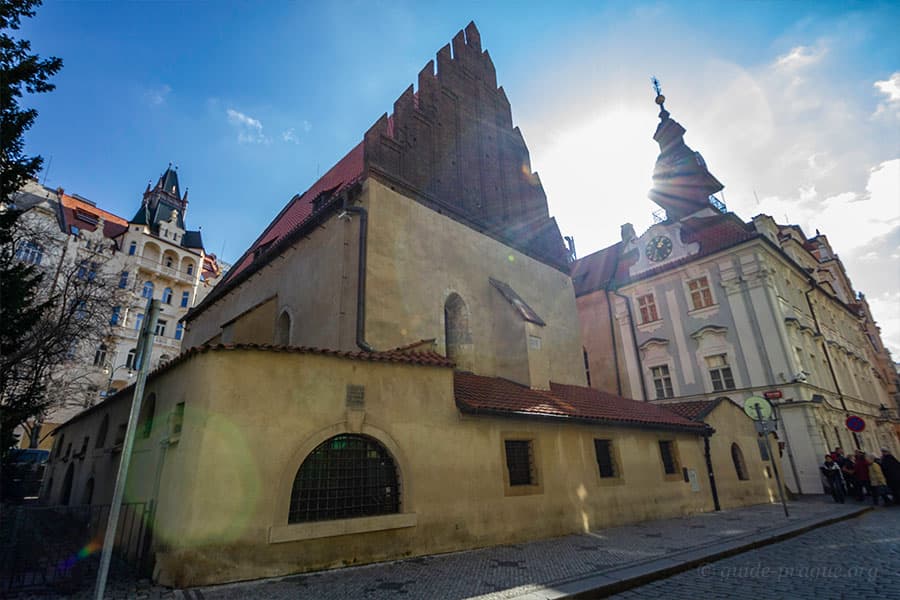
Synagogues in the Jewish Quarter
Six synagogues have been preserved to this day in Prague’s Jewish Quarter. The Old New synagogue and High synagogue are still used for
services. The remaining four house exhibitions of the Jewish Museum. These are the Pinkas, Klausen, Maisel, and Spanish Synagogues.
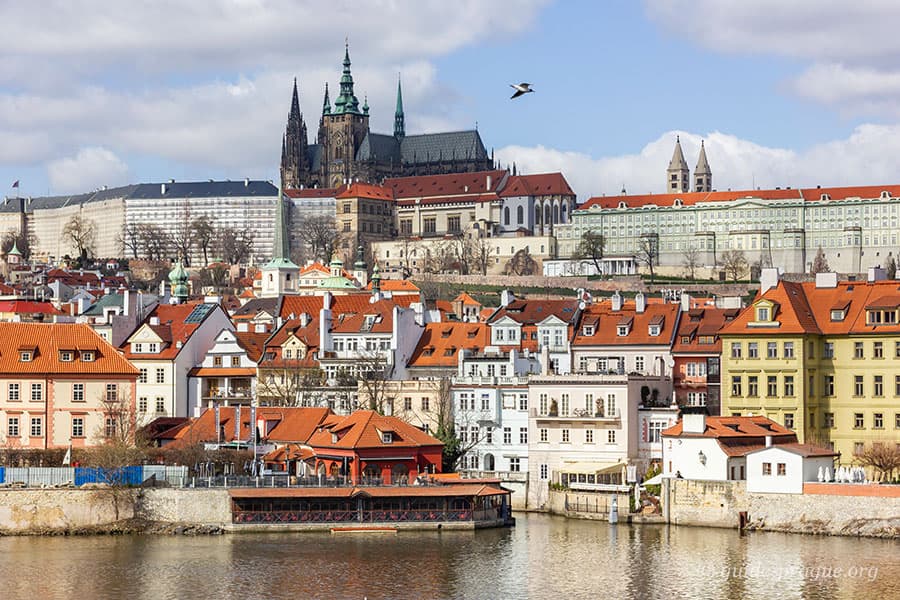
History of Prague Castle
Prague Castle has been dominating the city for more than eleven centuries. Once, it was the residence of the Czech kings. Today, the President of the Czech Republic works here.
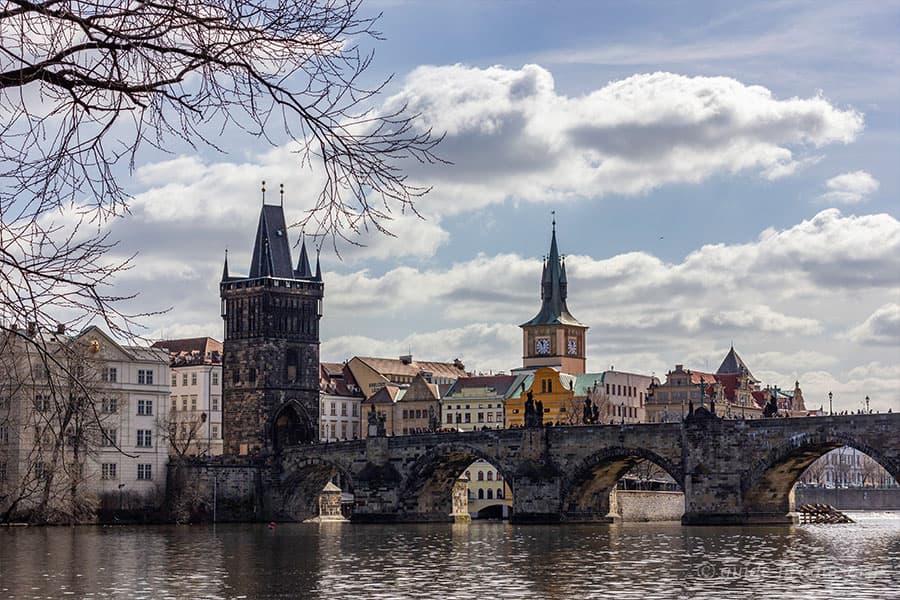
Charles Bridge
The predecessor of Charles Bridge — Judith's Bridge from the 12th century — was destroyed by a flood in 1342. King Charles IV invited Petr Parler — the same architect who built the cathedral at Prague Castle — to manage the construction of a new bridge. He also ordered an astrologer to determine the most favorable moment for construction to begin.
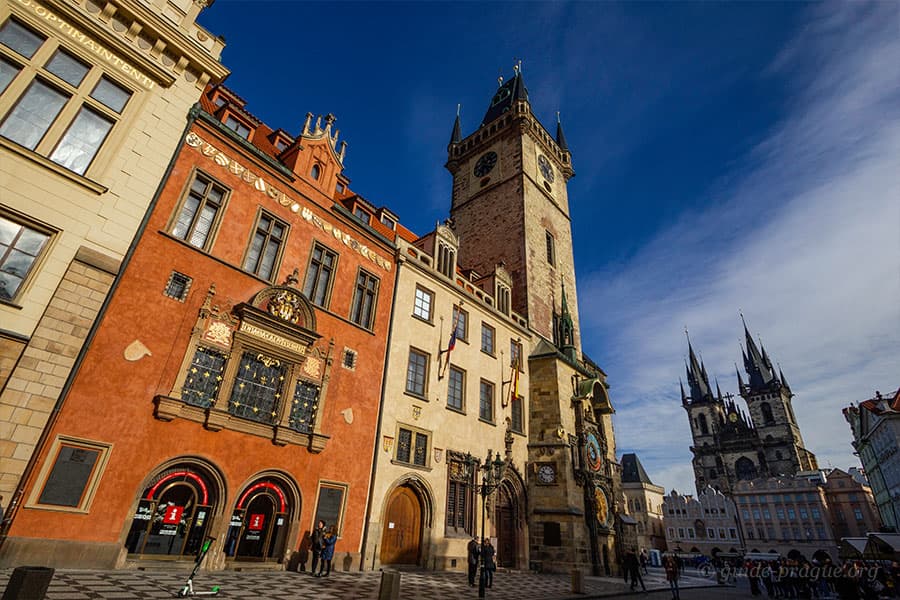
Old Town Hall with Astronomical Clock
In 1338, King John of Bohemia granted the Old Town permission to build a town hall. The House of Wolflin of Kamen, dating back to the late 13th century, became the core of the new complex. It is the building located closest to the clock tower. Take a moment to admire its beautifully decorated Gothic portal. Soon after, construction of the clock tower began.
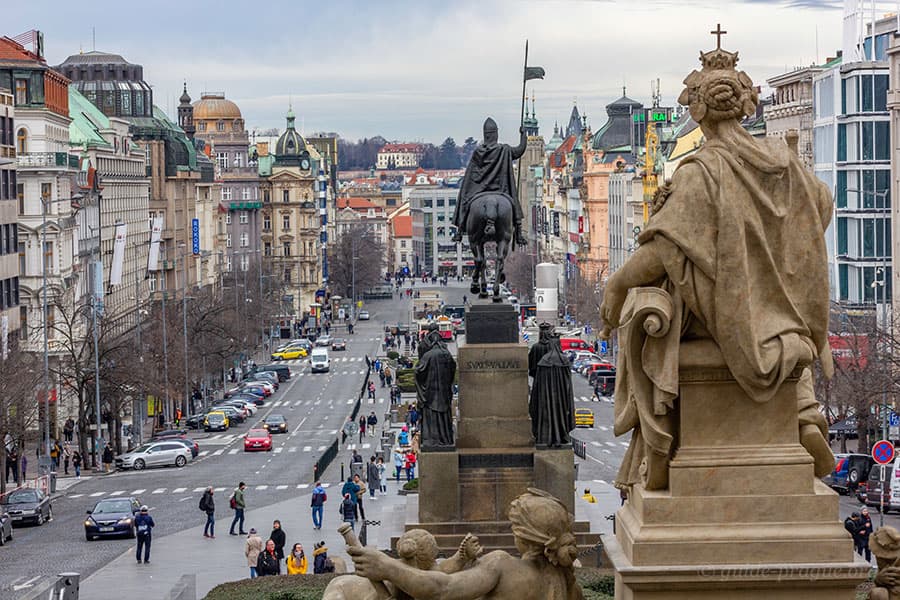
Wenceslas Square
Wenceslas Square is the heart of the city and a symbol of its recent history. The square is 750 meters long and 60 meters wide. It was initially called the Horse Market. The name Wenceslas began to be used only in 1848.