#Free to Visit
Places in Prague you can enjoy without a ticket: historic squares and streets, Charles Bridge, the Prague Castle courtyards, Vyšehrad and more.
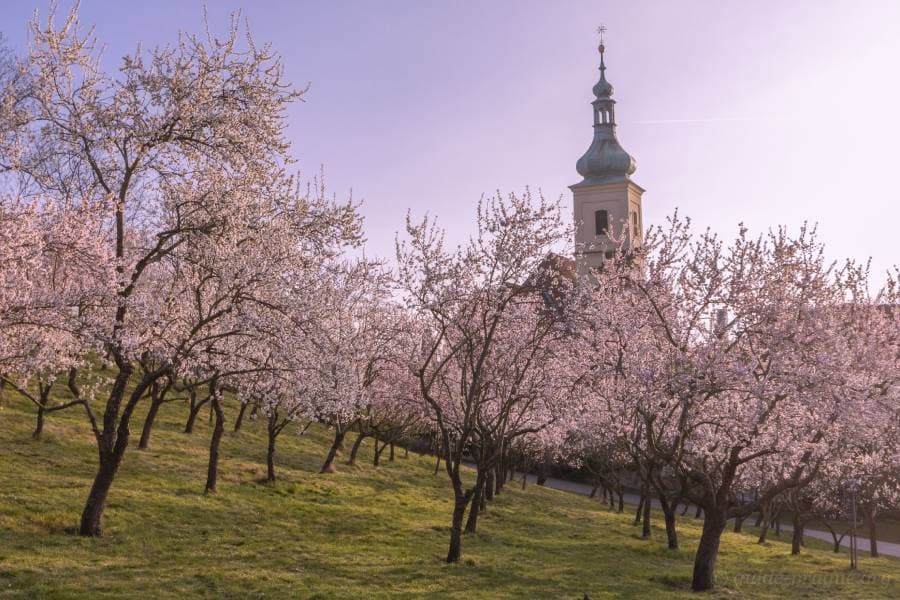
Church of Our Lady Victorious & Infant Jesus of Prague
Between 1611 and 1613, Prague’s Lutherans began building the Church of the Holy Trinity at the foot of Petřín Hill, which became the first Baroque church in the city. However, after the Czech uprising was crushed at the Battle of White Mountain in 1620, the church was transferred to the Carmelite order, which rededicated it to the Madonna of Strakonice, credited with helping to win the battle. It was then renamed the Church of Our Lady Victorious.
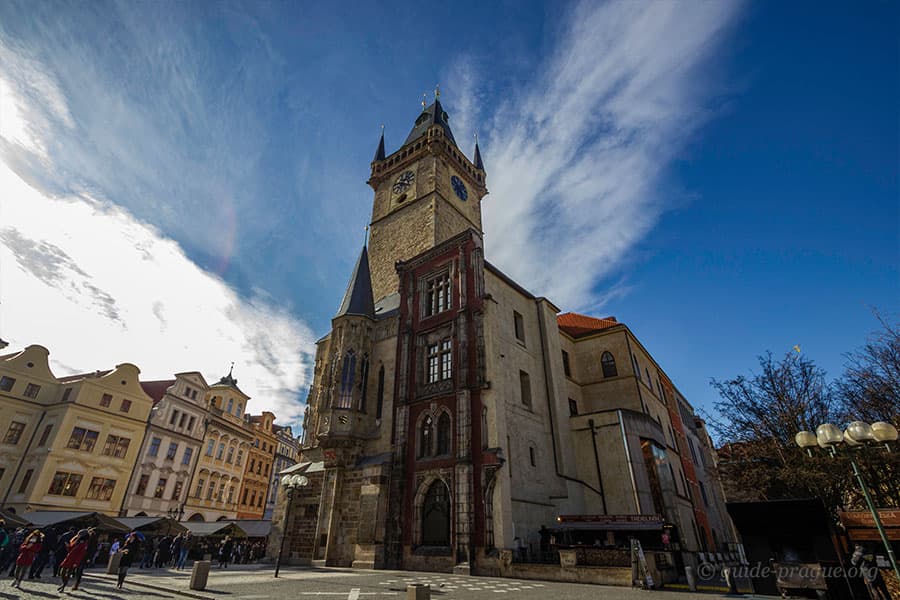
Old Town Square
Originally, a busy market stood on the site of today’s Old Town Square. Over time, a settlement grew around it without any formal plan, eventually developing into the Old Town.
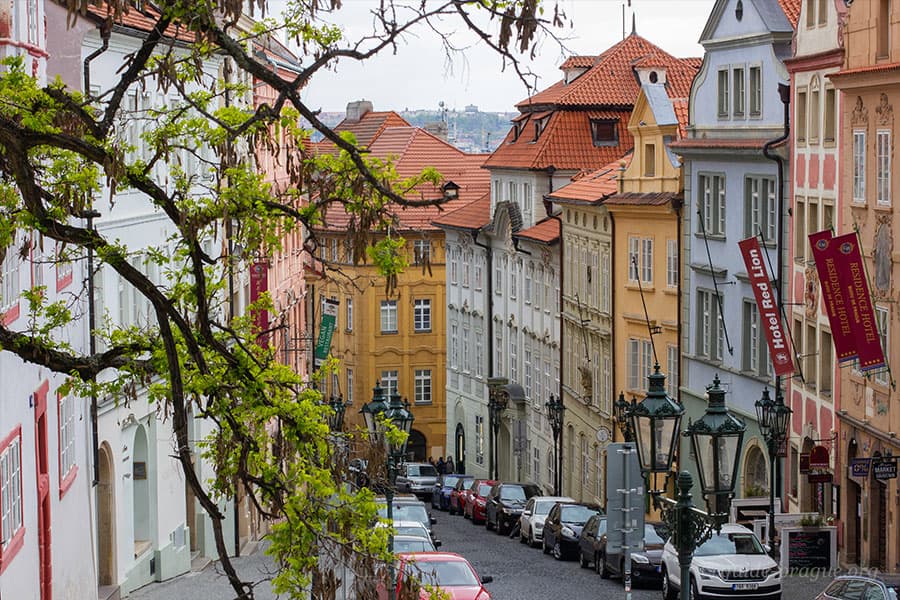
Nerudova Street
One of the most picturesque streets in Prague bears the name of the Czech writer and journalist Jan Neruda. It leads from Malostranská Square up to the Prague Castle. Here you can admire Baroque houses with richly decorated shields and portals. There are also several palaces here. But the most exciting thing in this street is that we can still see many house signs used instead of numbers.
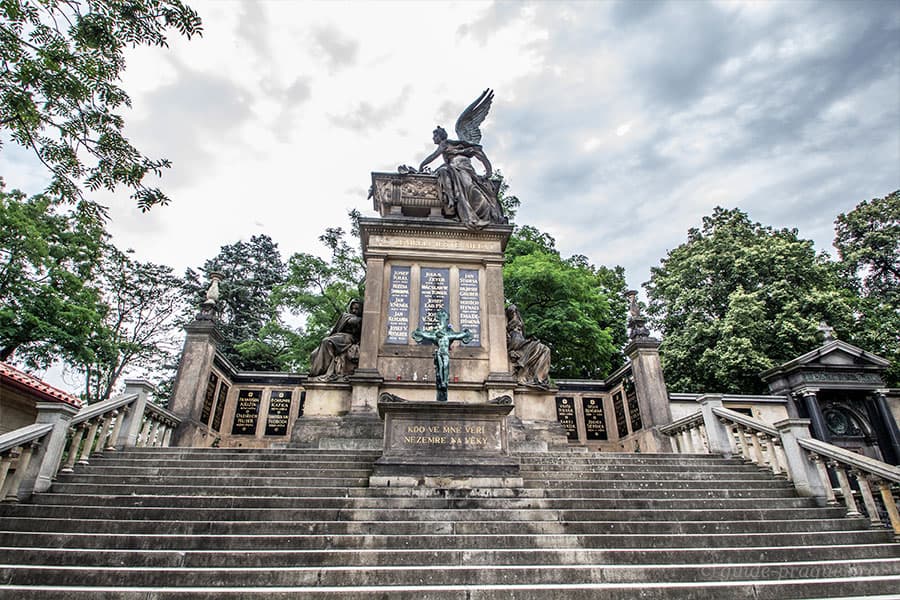
History of Vysehrad
Vysehrad is unique. We can hardly find another place in Prague with so many legends associated with it. According to old chronicles, forefather Czech came to mount Rip with his retinue and rule in the Czech lands for 30 years. After that, Krok became a ruler. And someone predicted to him that misfortune would come to his settlement. To avoid this, Krok moved his throne to a high rock above the Vltava river and named a new settlement Vysehrad.
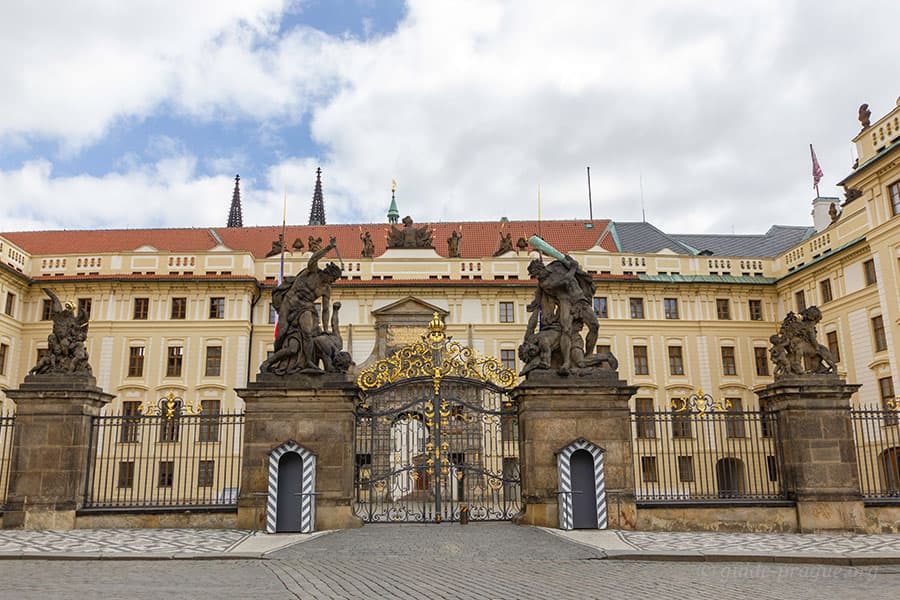
Prague Castle Courtyards
Prague Castle rises above the city on the left bank of the Vltava River. It is the largest castle complex in the Czech Republic, covering 45 hectares. Its buildings surround three courtyards.
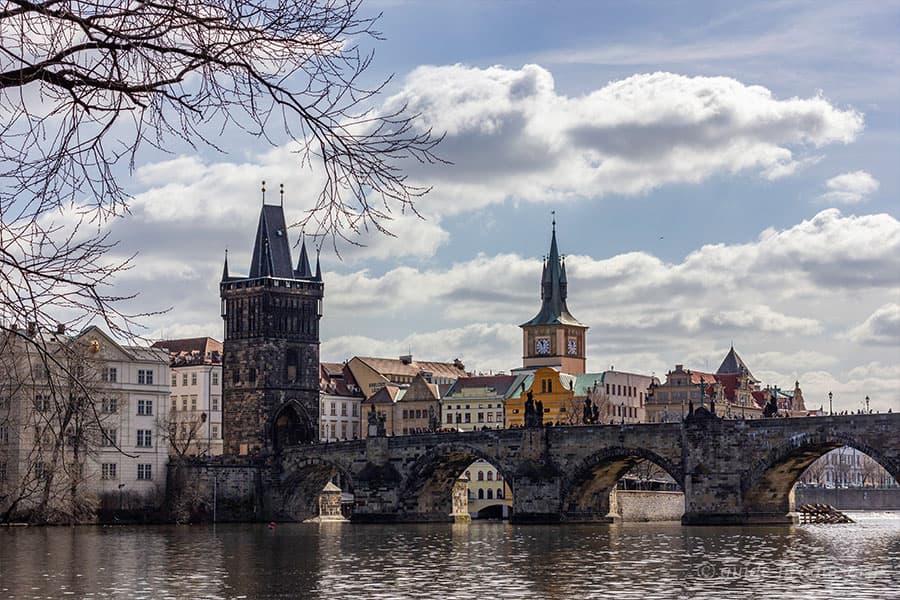
Charles Bridge
The predecessor of Charles Bridge — Judith's Bridge from the 12th century — was destroyed by a flood in 1342. King Charles IV invited Petr Parler — the same architect who built the cathedral at Prague Castle — to manage the construction of a new bridge. He also ordered an astrologer to determine the most favorable moment for construction to begin.
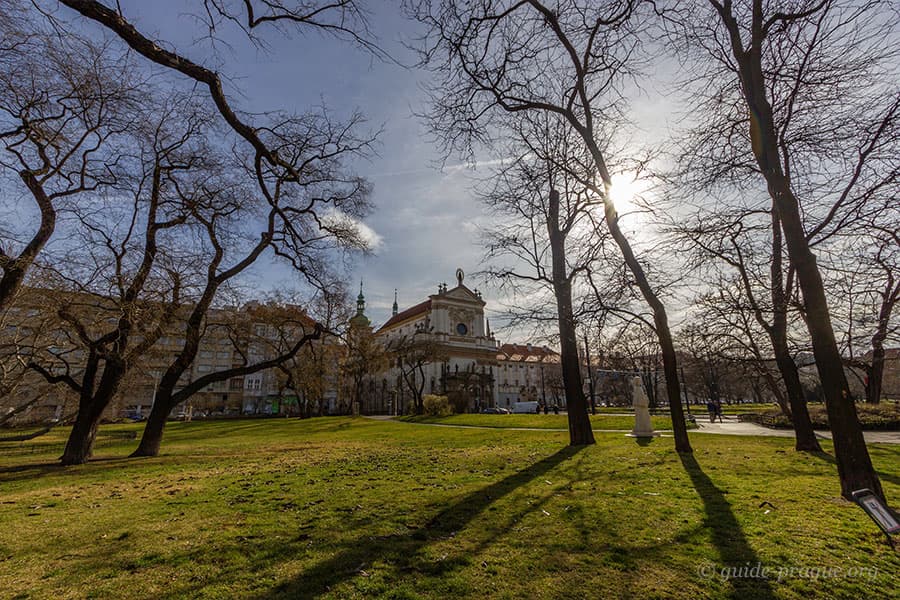
Charles Square
When Charles IV founded the New City of Prague, he intended the square—then known as the Cattle Market—to become the center of the new settlement. Today it is known as Charles Square.
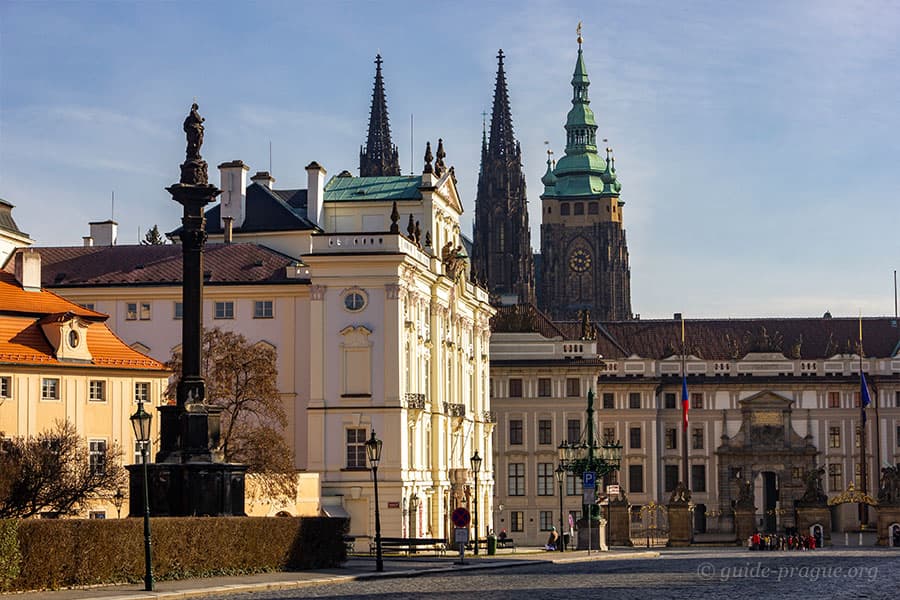
Hradčany Square
A long time ago, this square was surrounded by small houses belonging to residents of Hradčany. It might have remained this way if a devastating fire had not occurred in 1541. Most of the houses were then burned down. Wealthy aristocrats began purchasing the cleared land and building magnificent palaces in Hradčany.
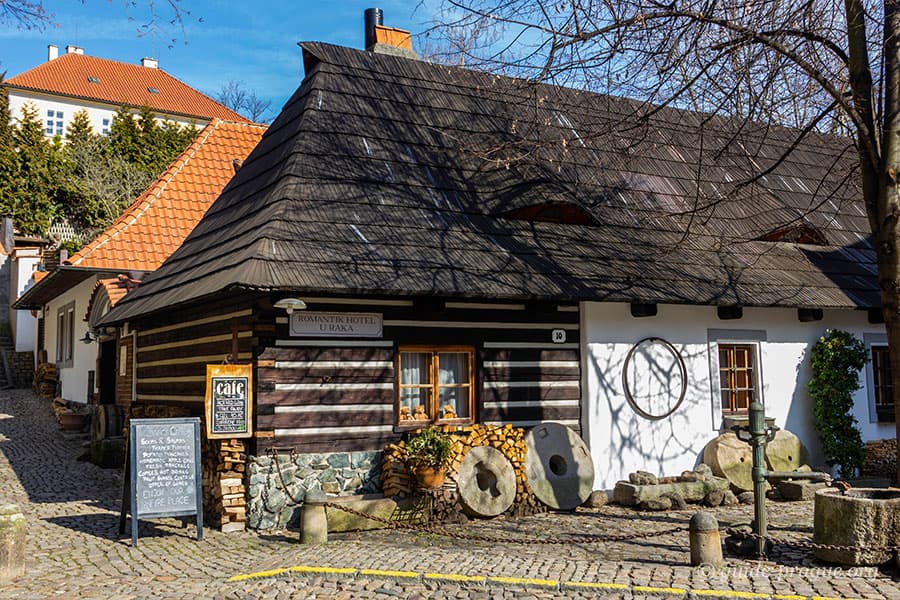
Nový Svět
One of the most romantic Prague streets — Nový Svět — is located just a few steps from the crowded Loretanska Square. When you are here, it is hard to believe that you are still in the capital city. A long time ago, this place was a suburb of Hradčany. After 1360, it was included in the town walls.
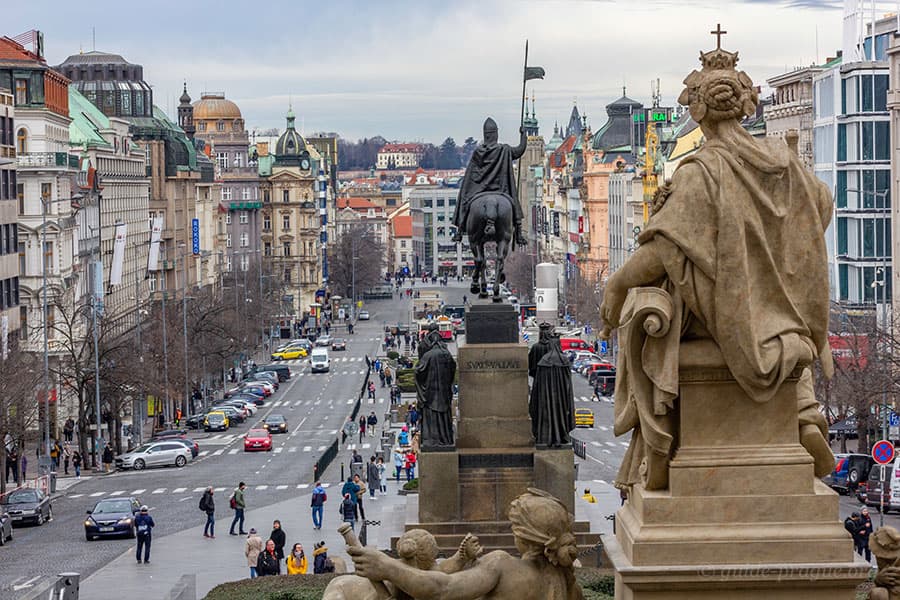
Wenceslas Square
Wenceslas Square is the heart of the city and a symbol of its recent history. The square is 750 meters long and 60 meters wide. It was initially called the Horse Market. The name Wenceslas began to be used only in 1848.